Metal & Mirror Optical Thin Film Coatings
Metal and mirror optical coatings provide controlled reflection for optical systems operating across ultraviolet, visible and infrared wavelength regions.
Reflective coating options include protected aluminum, enhanced aluminum, protected silver and a broad range of deposited metals, semiconductors and alloys. Dielectric overcoats can also be added to improve durability or enhance reflection for specific optical requirements.
- Reflective coatings for UV, VIS and IR
- Protected and enhanced metal-mirror configurations
- Broadband and wavelength-specific reflectance options
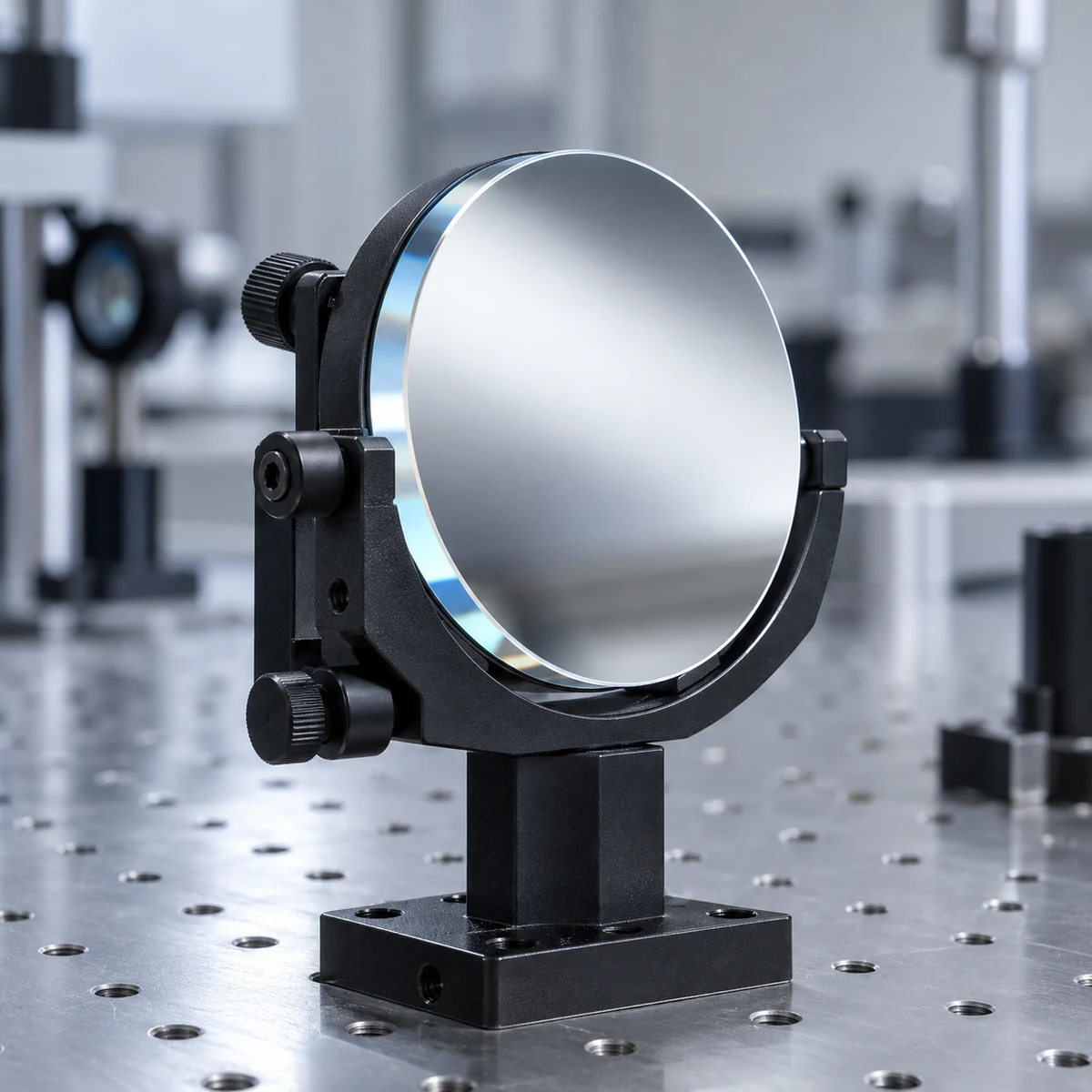 Protected Aluminum Mirror
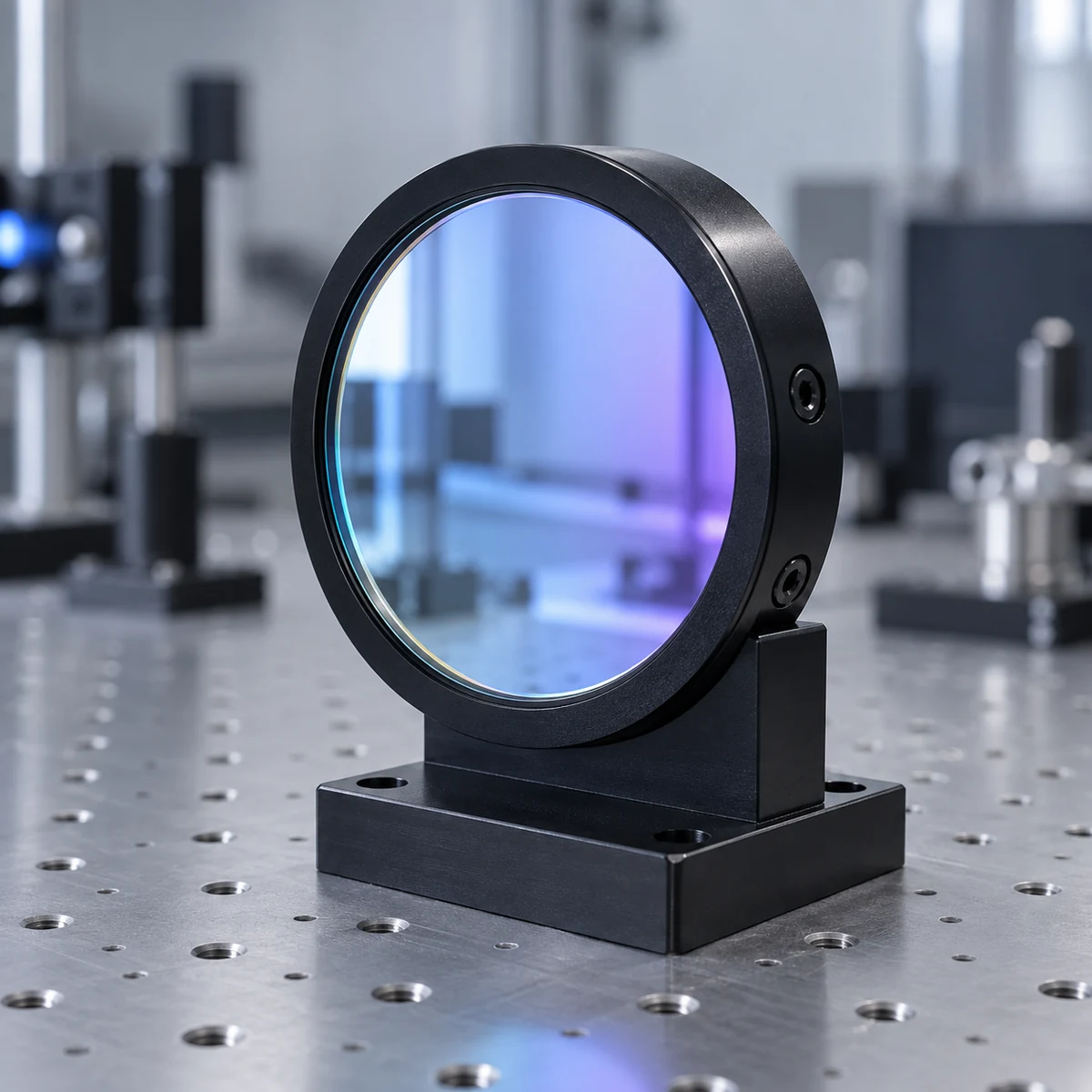 Enhanced Aluminum Optical Mirror
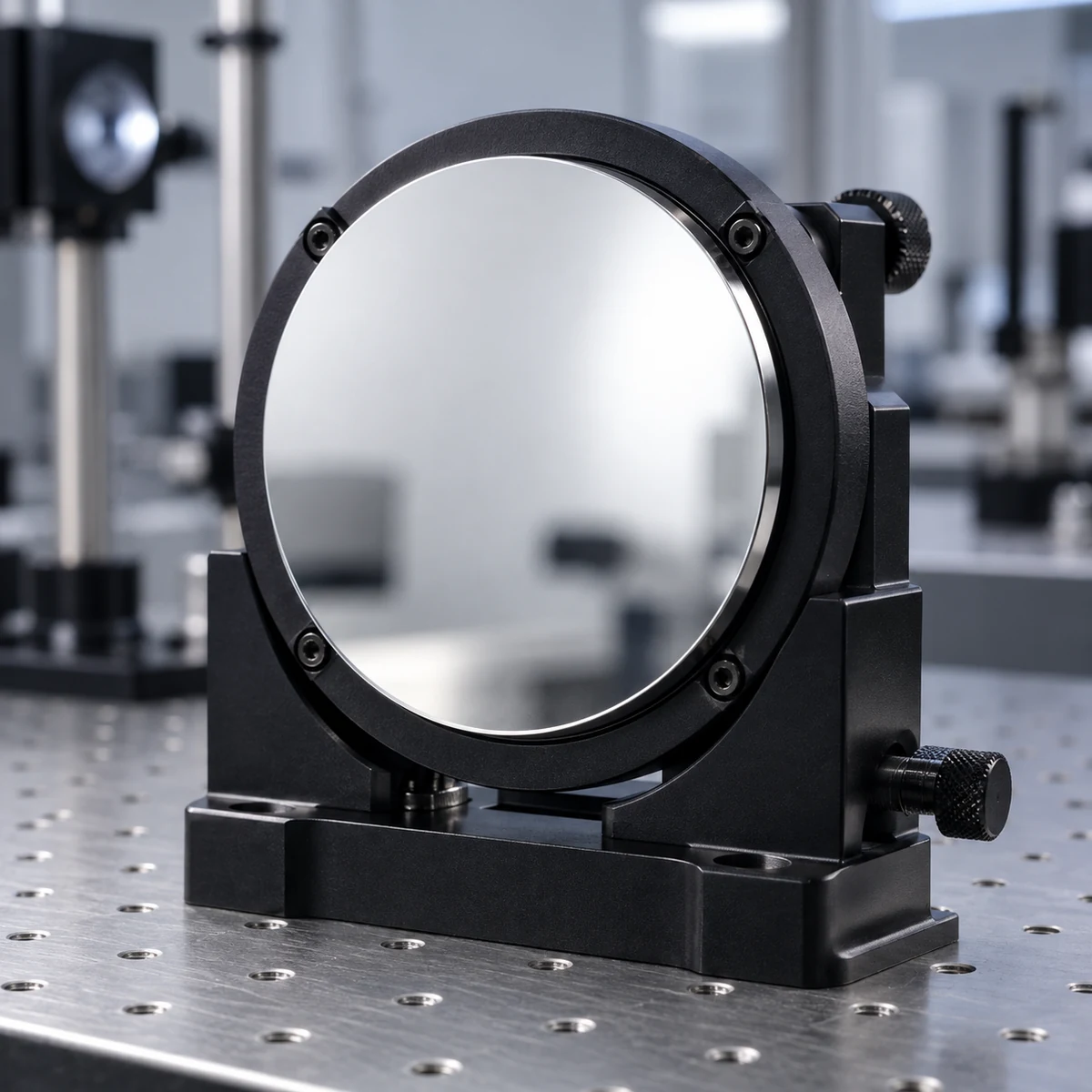 Protected Silver Mirror
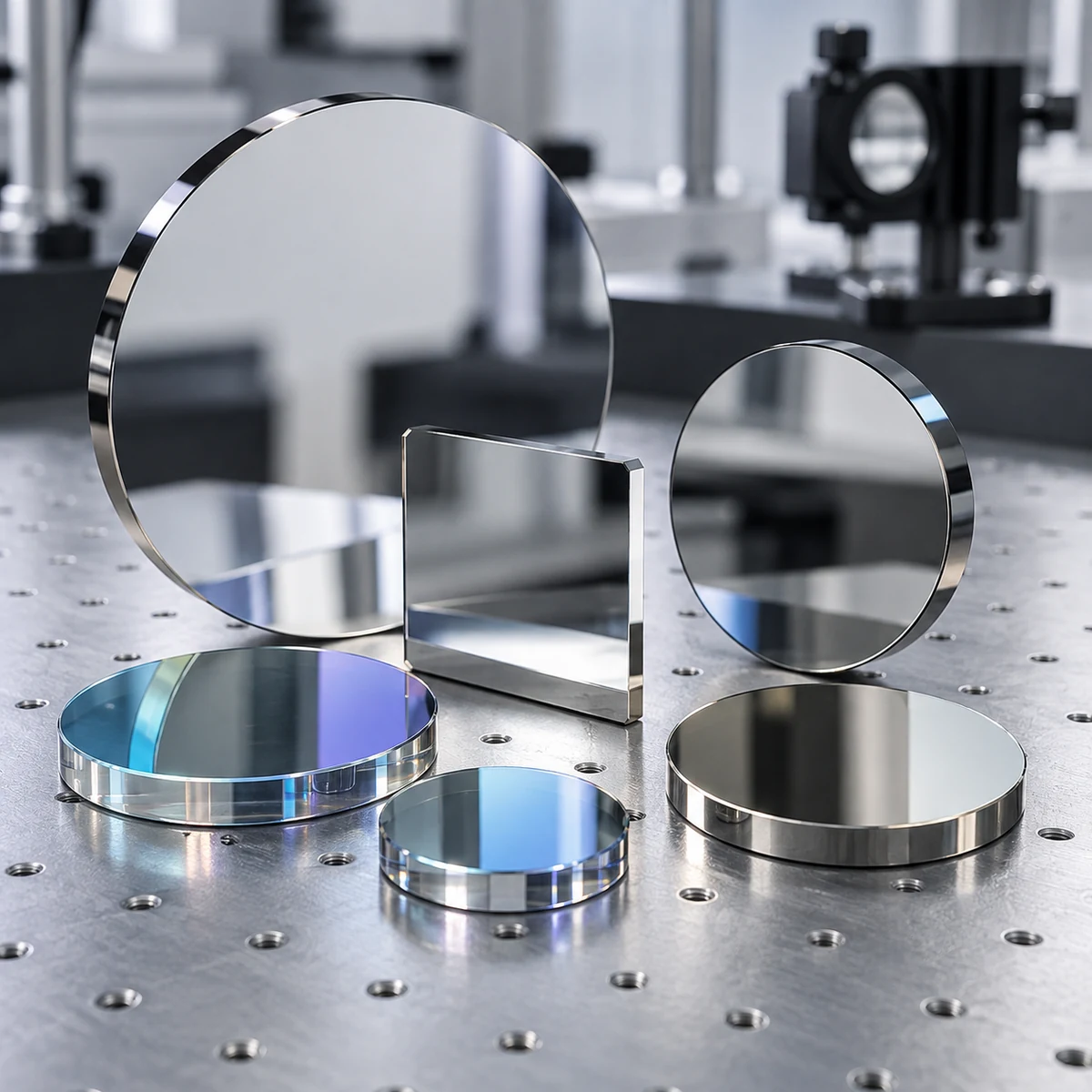 Reflective Optical Components
What are Metal & Mirror Optical Coatings?
Metal mirror coatings use thin reflective layers deposited onto an optical surface to control reflection across selected wavelength regions. Different metal and dielectric-layer combinations provide different reflectance, spectral range, durability and environmental characteristics. The coating configuration is therefore selected according to the operating wavelength and required optical performance.
Three commonly used mirror-coating configurations include:
Protected Aluminum
Protected aluminum is a widely used mirror coating for visible and near-infrared applications.
A protective layer of silicon monoxide is applied over the aluminum to protect the reflective metal while maintaining its optical performance.
- Designed primarily for visible and near-IR
- Aluminum provides the reflective layer
- Silicon monoxide protective overcoat
- Improved abrasion resistance
- Maintains aluminum-mirror performance
Enhanced Aluminum
Enhanced aluminum adds a multilayer dielectric stack over the aluminum reflective layer to increase reflectance in selected spectral regions.
- Visible enhanced designs: approximately 400–650 nm
- UV / DUV enhanced designs: approximately 120–400 nm
- Multilayer dielectric enhancement
- Improved handling compared with unprotected aluminum
- Suitable where higher reflectance is required in a selected wavelength region
Protected Silver
Silver provides high reflectance across broad visible and infrared wavelength regions and is particularly useful where a mirror must operate across multiple spectral bands.
A protective coating is added to reduce tarnishing and improve durability.
- High visible reflectance
- High infrared reflectance
- Broad spectral coverage
- Protective overcoat reduces tarnishing
- Performs best in relatively low-humidity environments
Reflective Optical Components
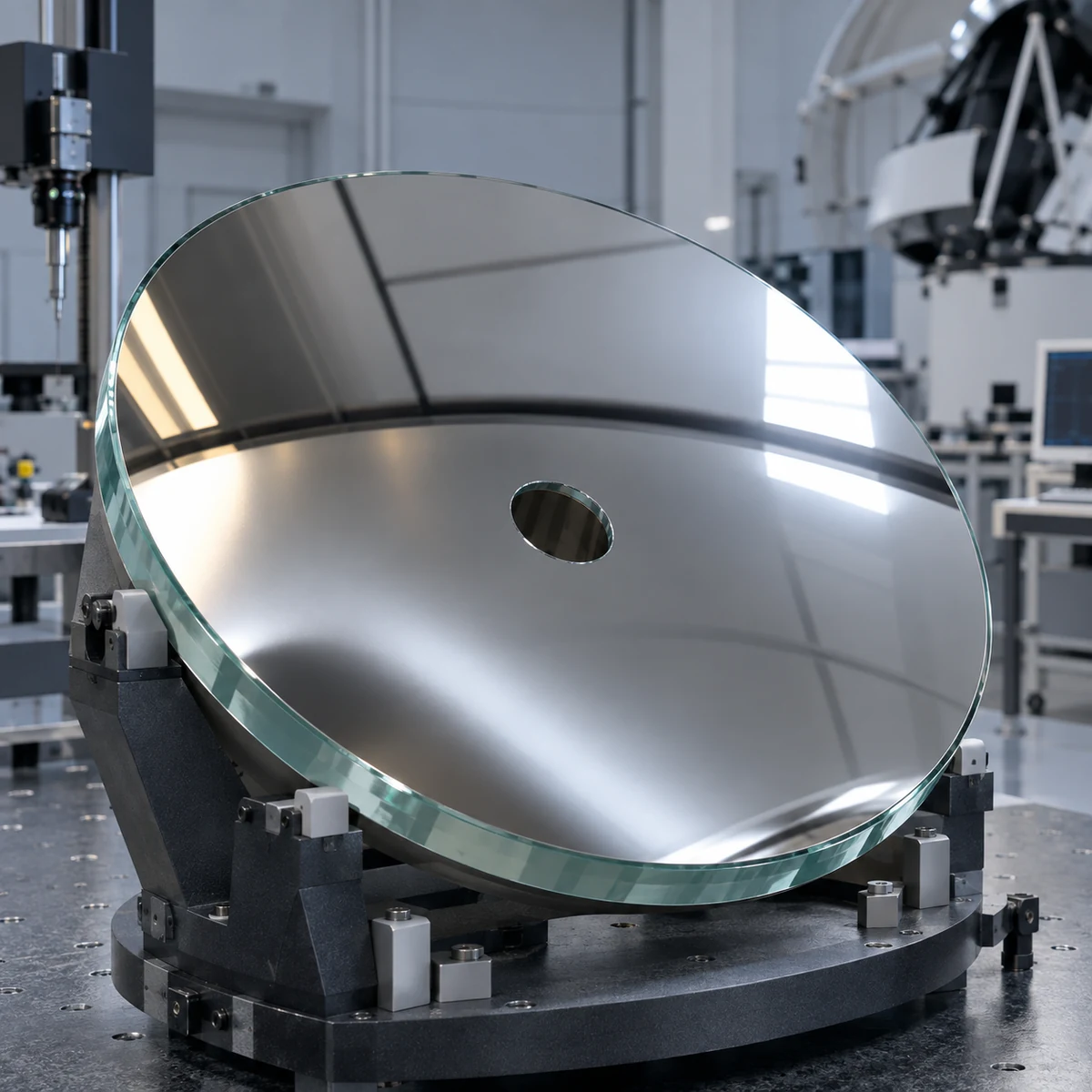 Telescope Mirror
Telescope Mirrors
High-reflectance coated mirrors for astronomy and demanding optical imaging systems.
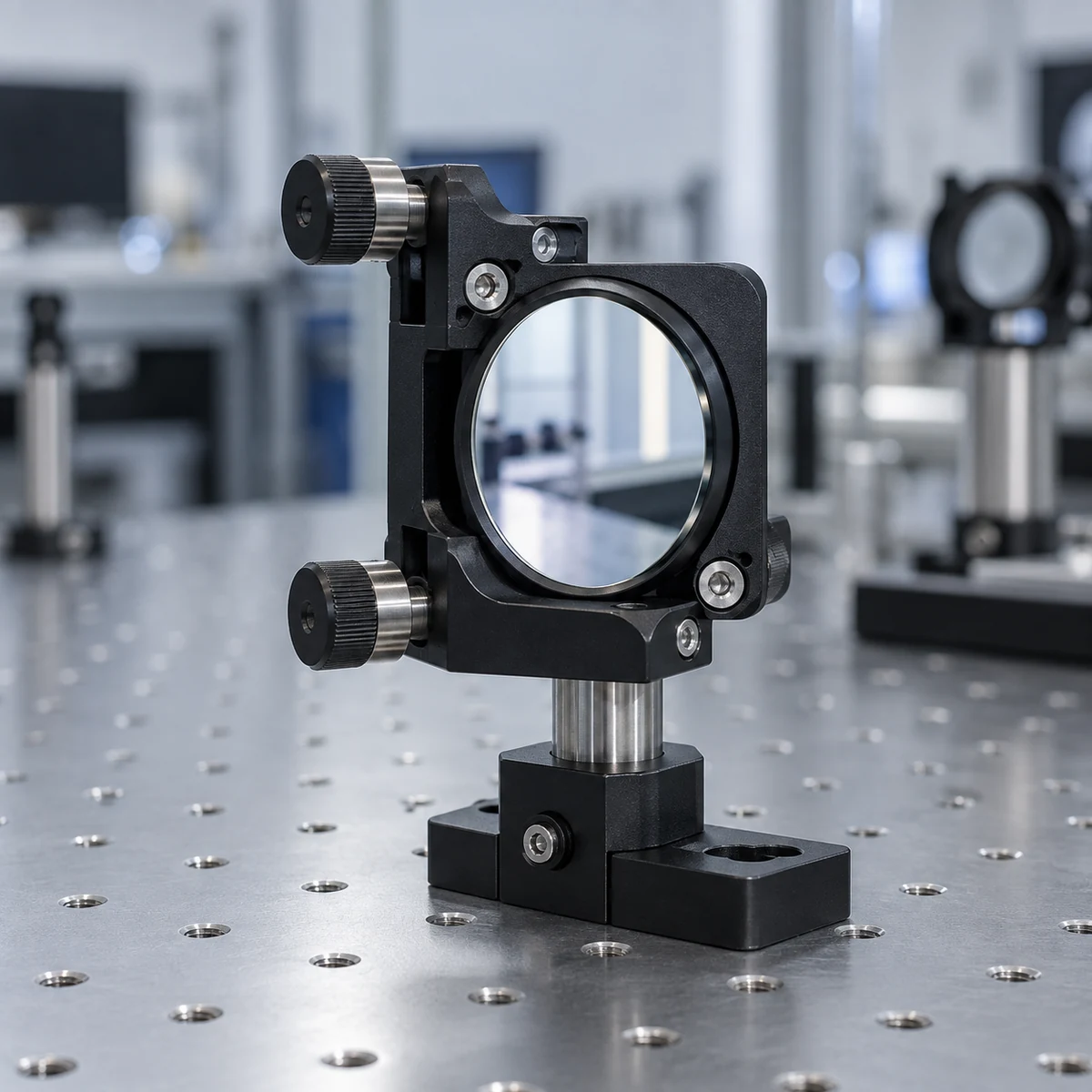 Laboratory Mirror
Laboratory Mirrors
Reflective optical components for laboratory instruments, optical benches and experimental systems.
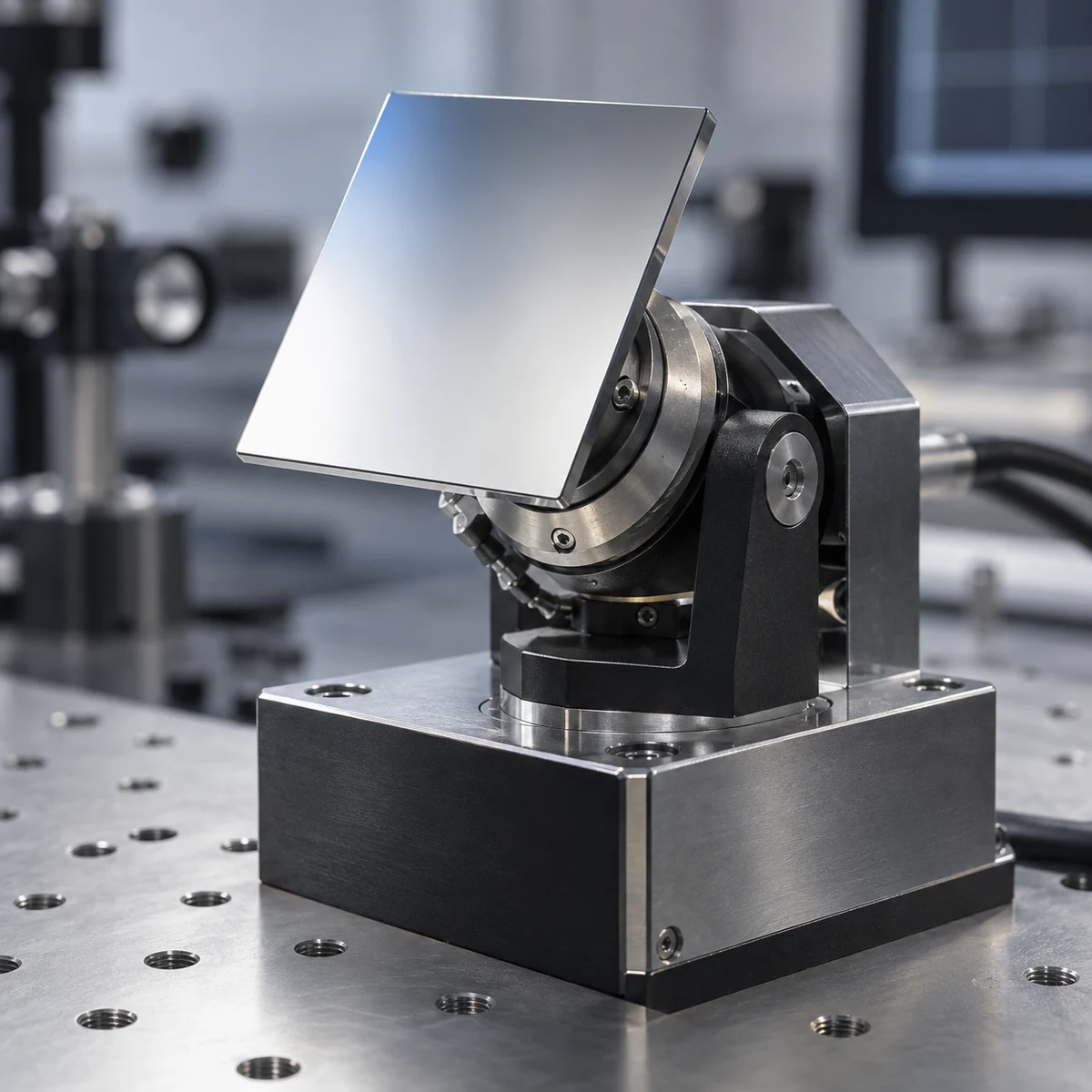 Scanner Mirror
Scanner & Imaging Mirrors
Reflective components for barcode scanners and other imaging or beam-directing systems.
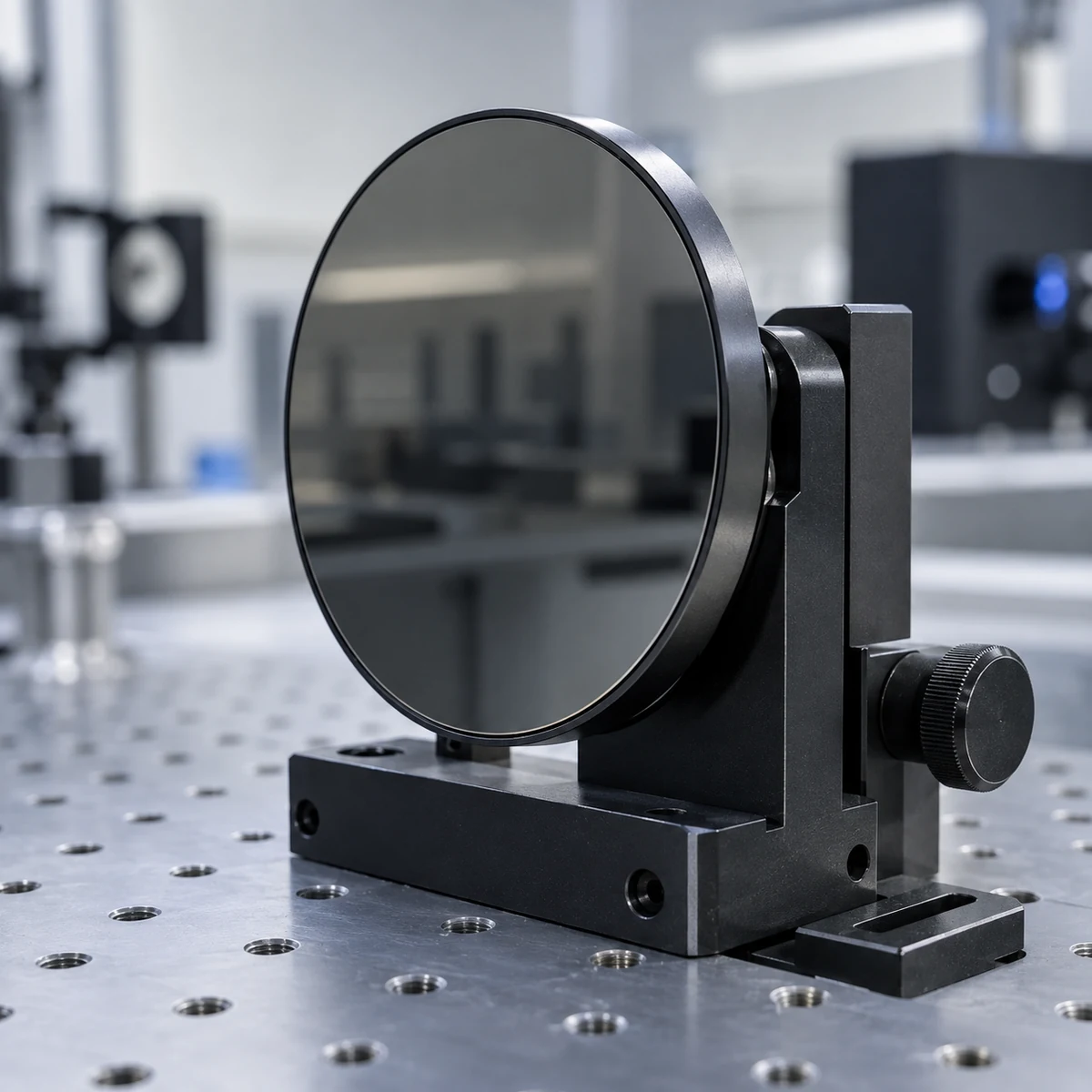 Neutral Density / Specialty Reflector
Neutral Density & Specialty Reflectors
Metal-coated optical components for attenuation and other specialized reflection requirements.
Reflective Metals & Optical Performance
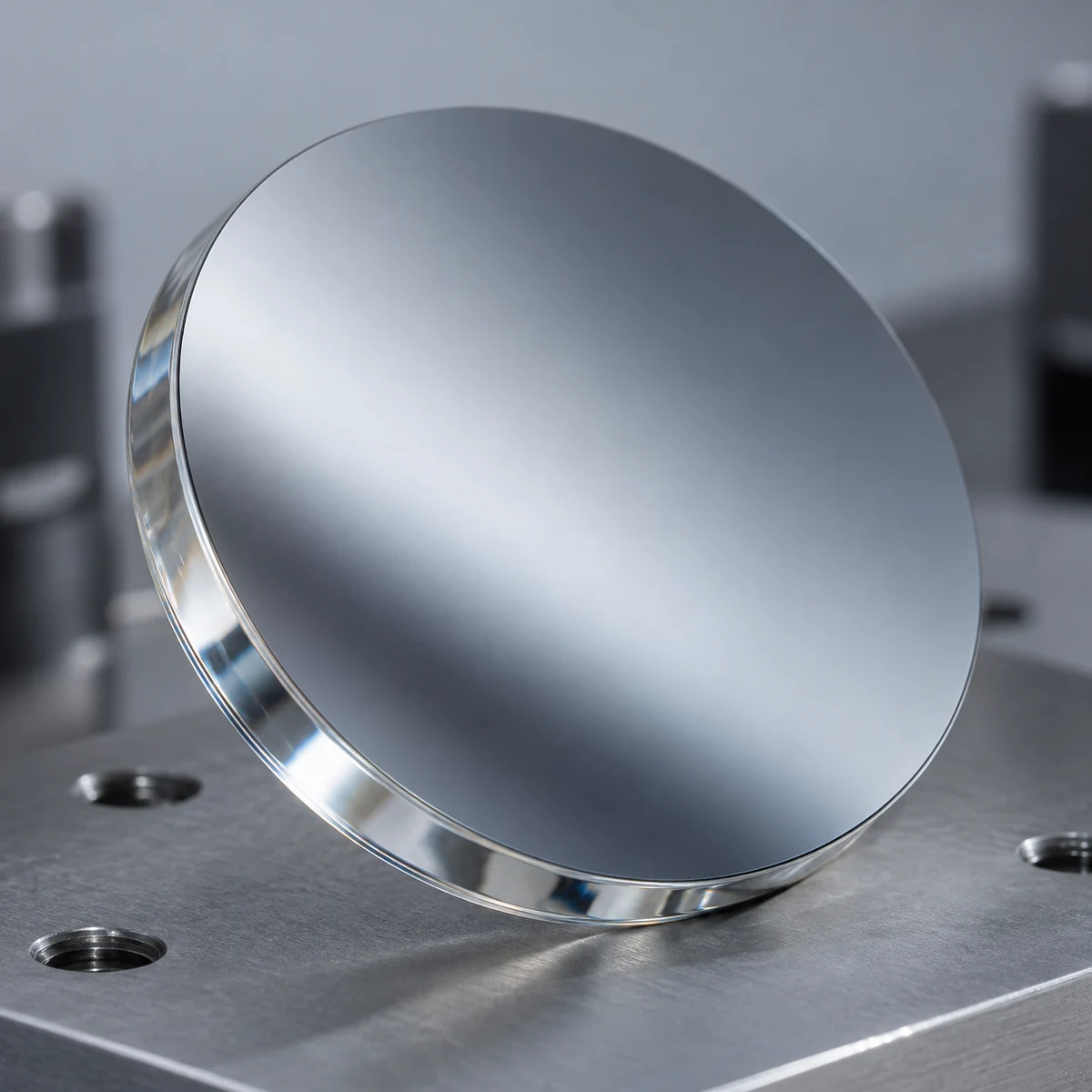 Aluminum-Coated Optical Surface
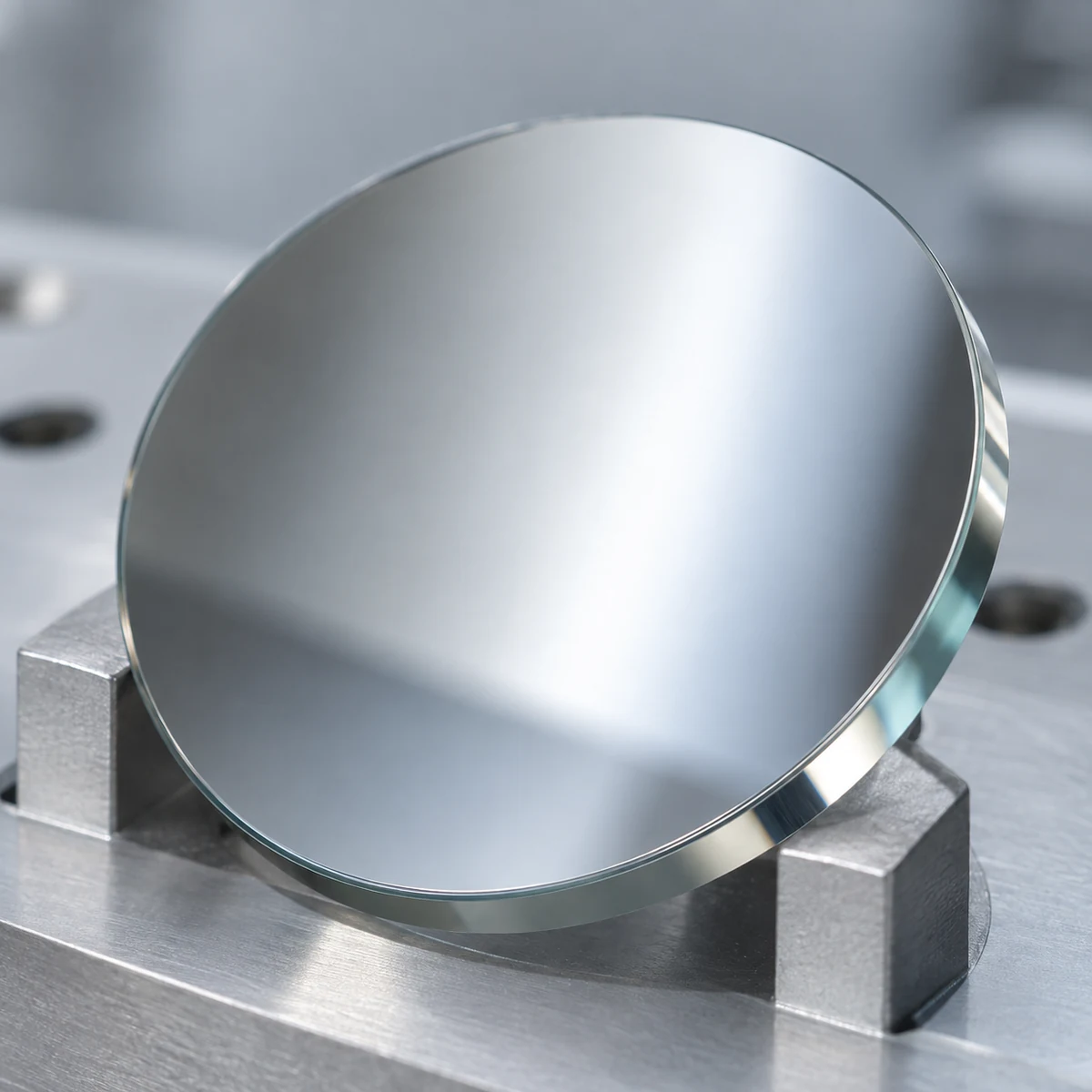 Silver-Coated Optical Surface
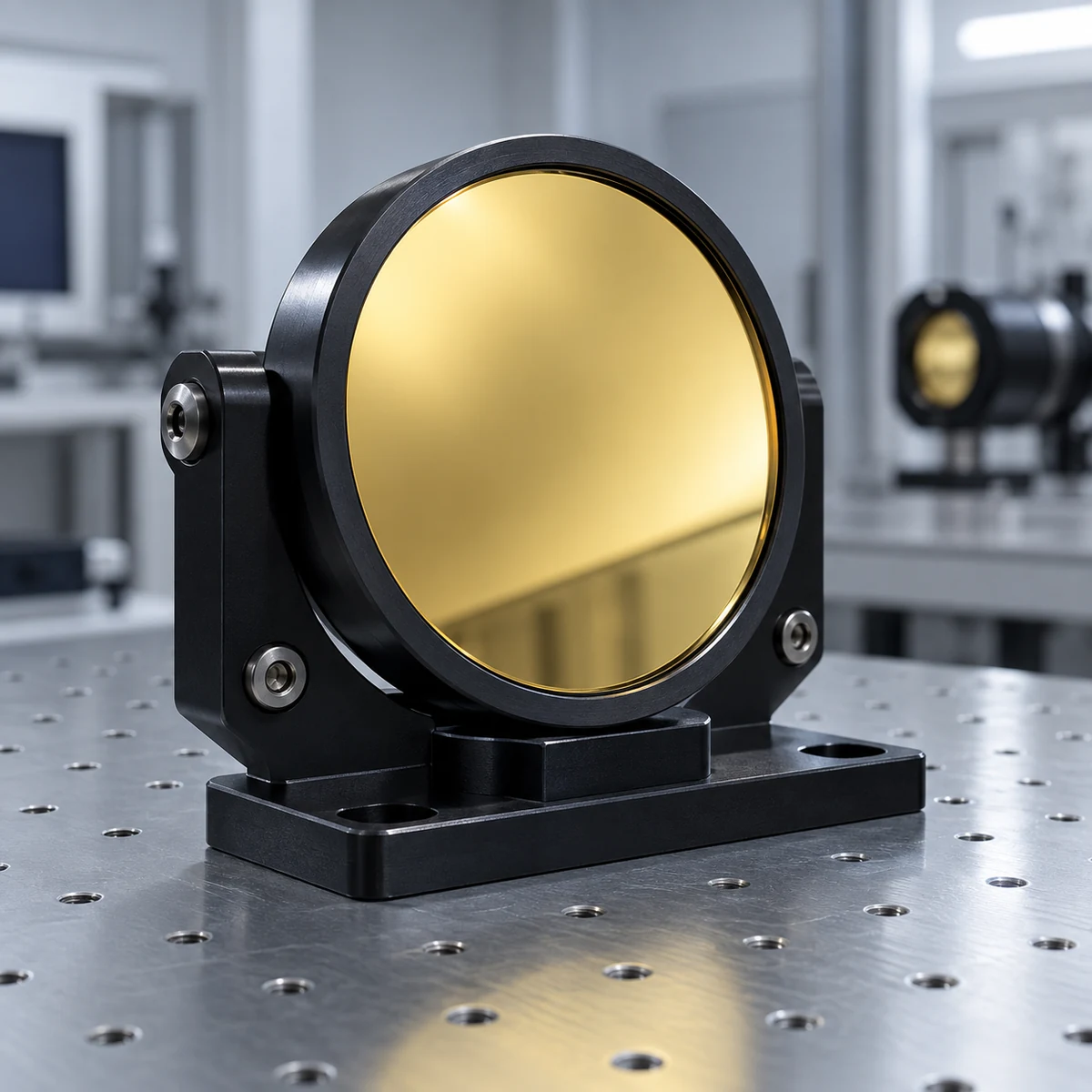 Gold / Specialty Metal Mirror
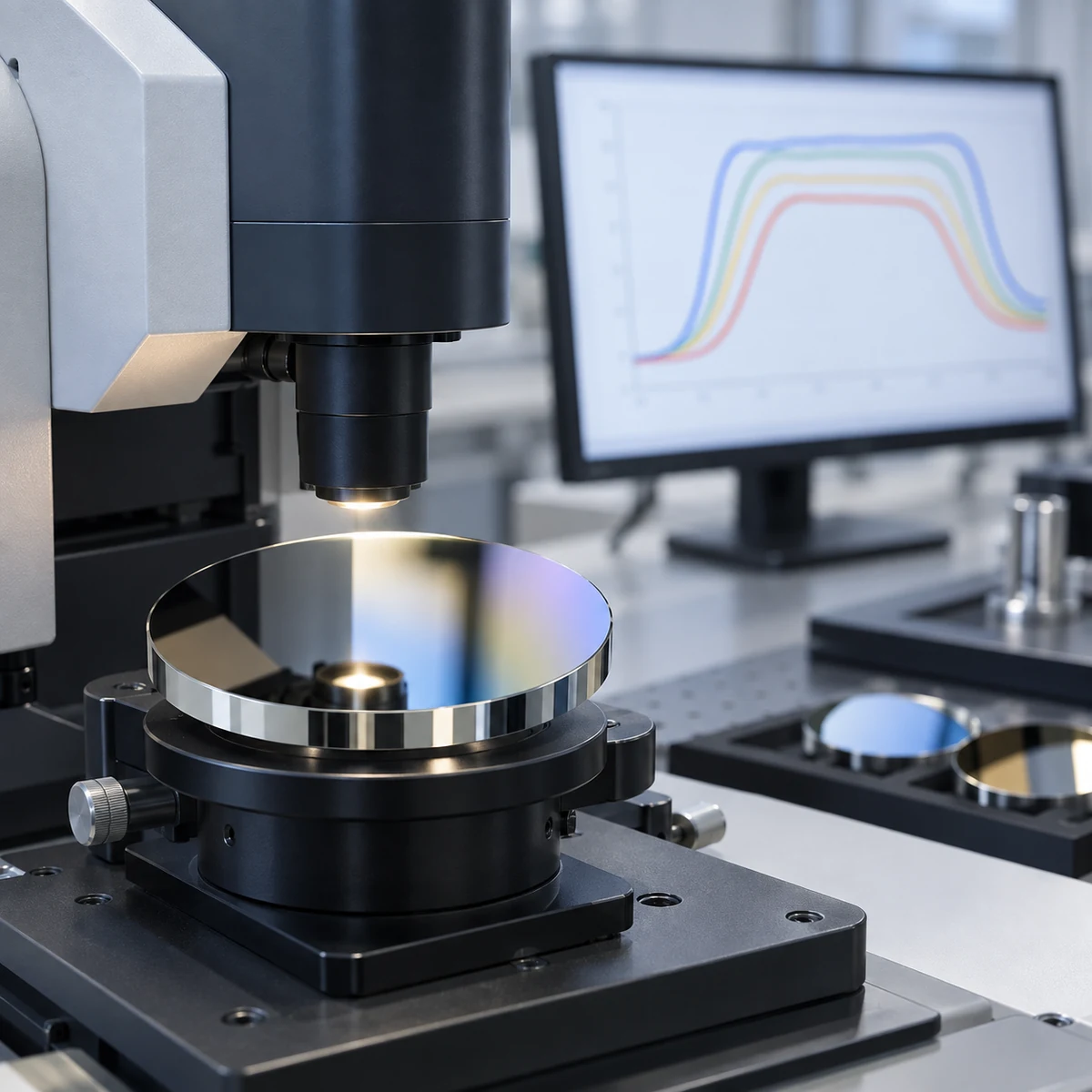 Reflectance Spectrum
Mirror performance is determined by the reflective material, protective or enhancing dielectric layers and the wavelength region in which the component is intended to operate.
Metal coatings can be configured for visible-only applications, broadband visible-to-infrared reflection or longer-wave infrared systems.
Published coating-performance examples include:
Average Reflectance
>95% at 450–650 nmAverage Reflectance
>98% at 450–2000 nmAverage Reflectance
>98% at 2000–10,000 nmReflective Coating Materials
A broad range of metals, semiconductors and alloys can be deposited for reflective and optical thin-film applications:
- Gold
- Silver
- Aluminum
- Nickel
- Chromium
- Copper
- Inconel
- Titanium
- Hafnium
- Tantalum
- Tungsten
- Silicon
- Germanium
- Molybdenum
Mirror Coating Features
Metal and mirror coatings can provide:
- Broadband optical reflection
- Visible, UV or infrared spectral performance
- Protected reflective metal surfaces
- Dielectric-enhanced reflection
- Improved handling and abrasion resistance
- Multiple reflective-material options
- Stable reflection across a broad range of angles
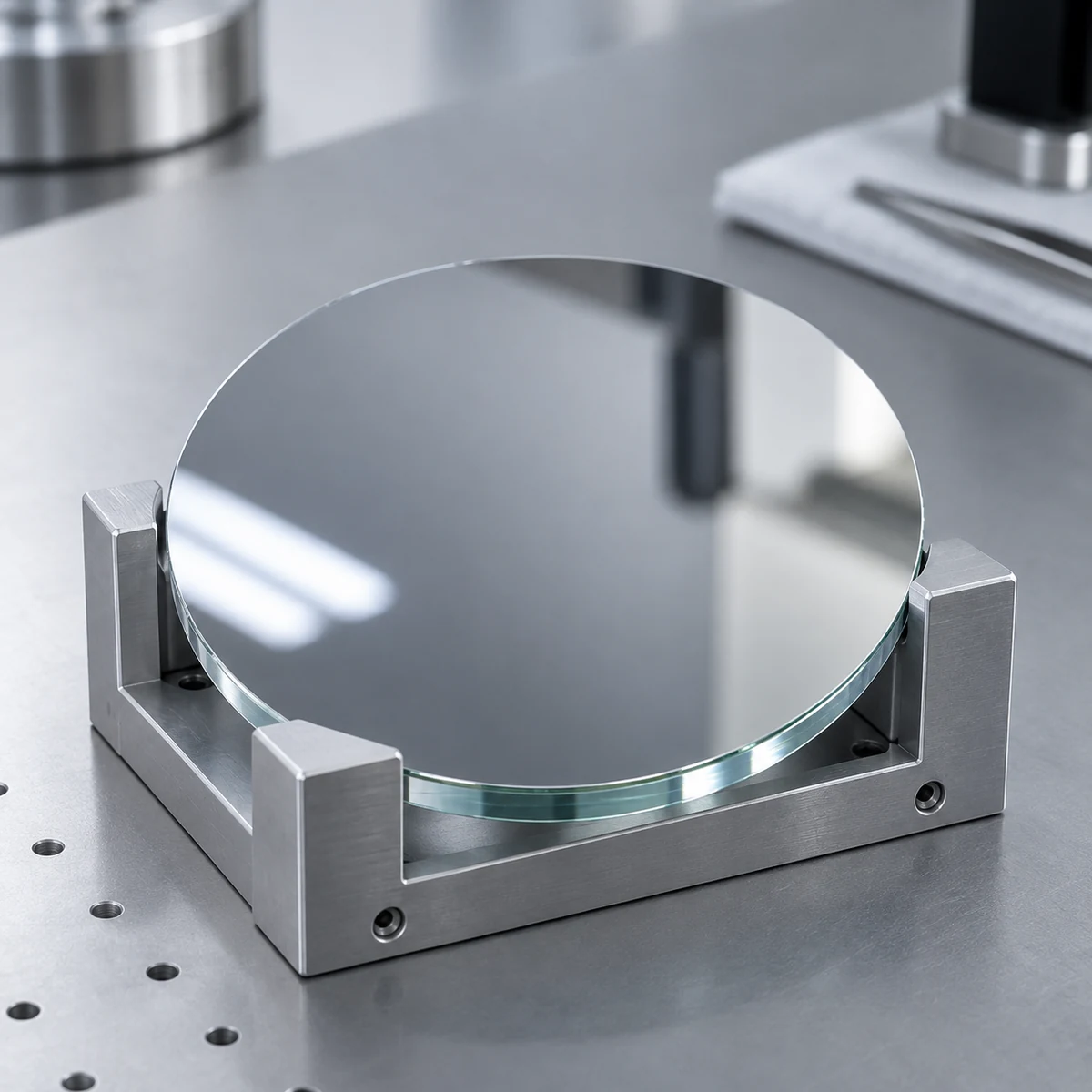 Aluminum Mirror
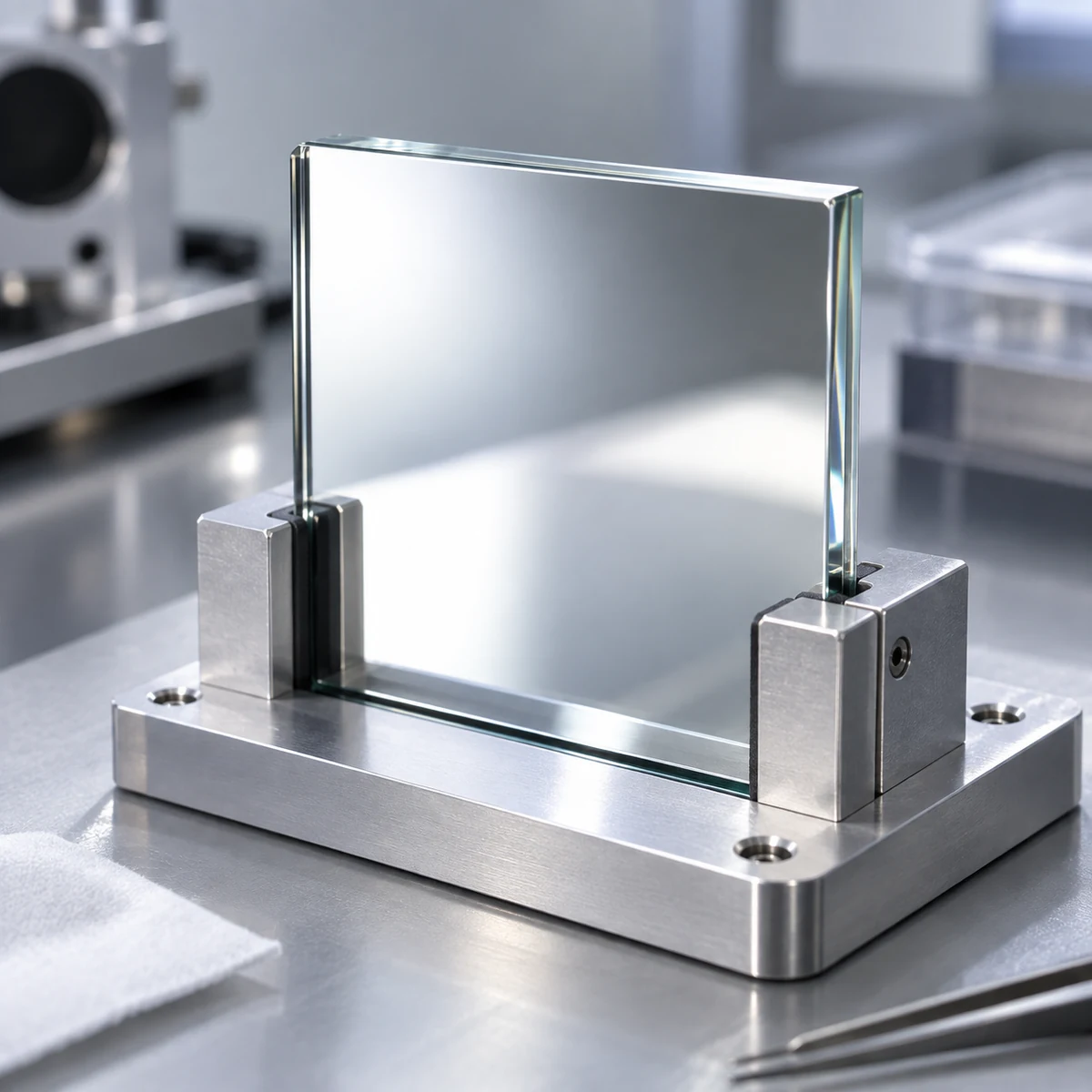 Silver Mirror
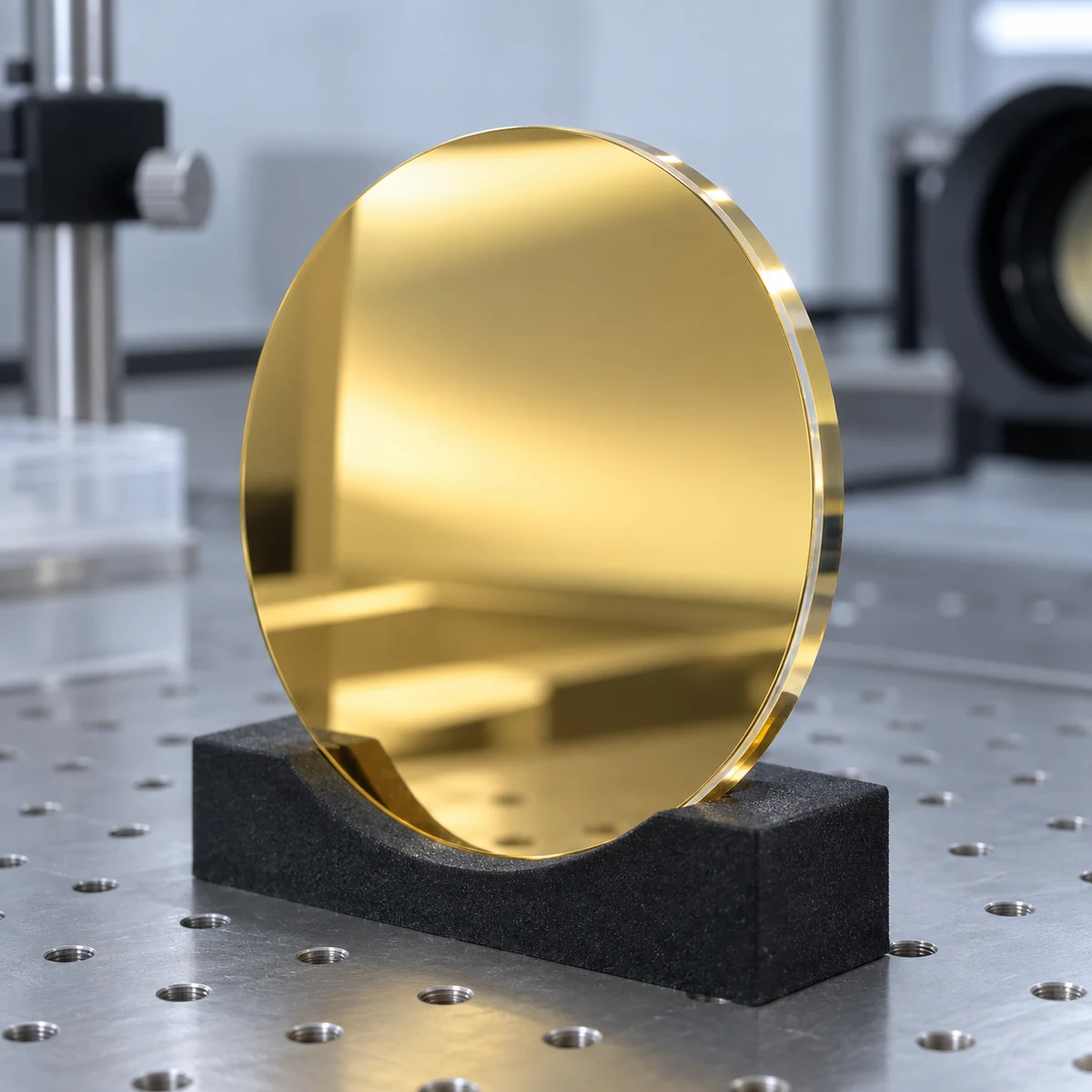 Gold-Coated Optic
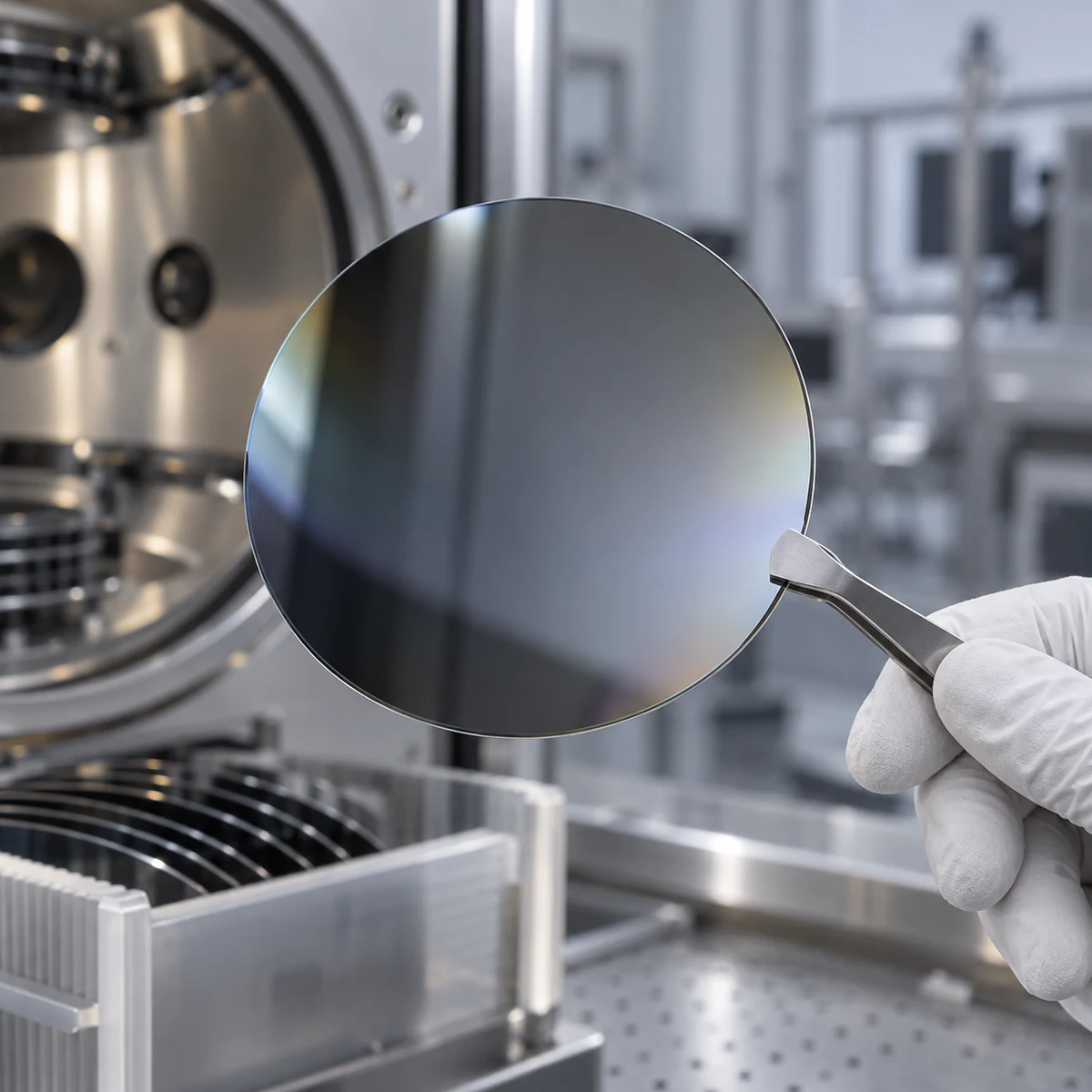 Specialty Metal Thin Film
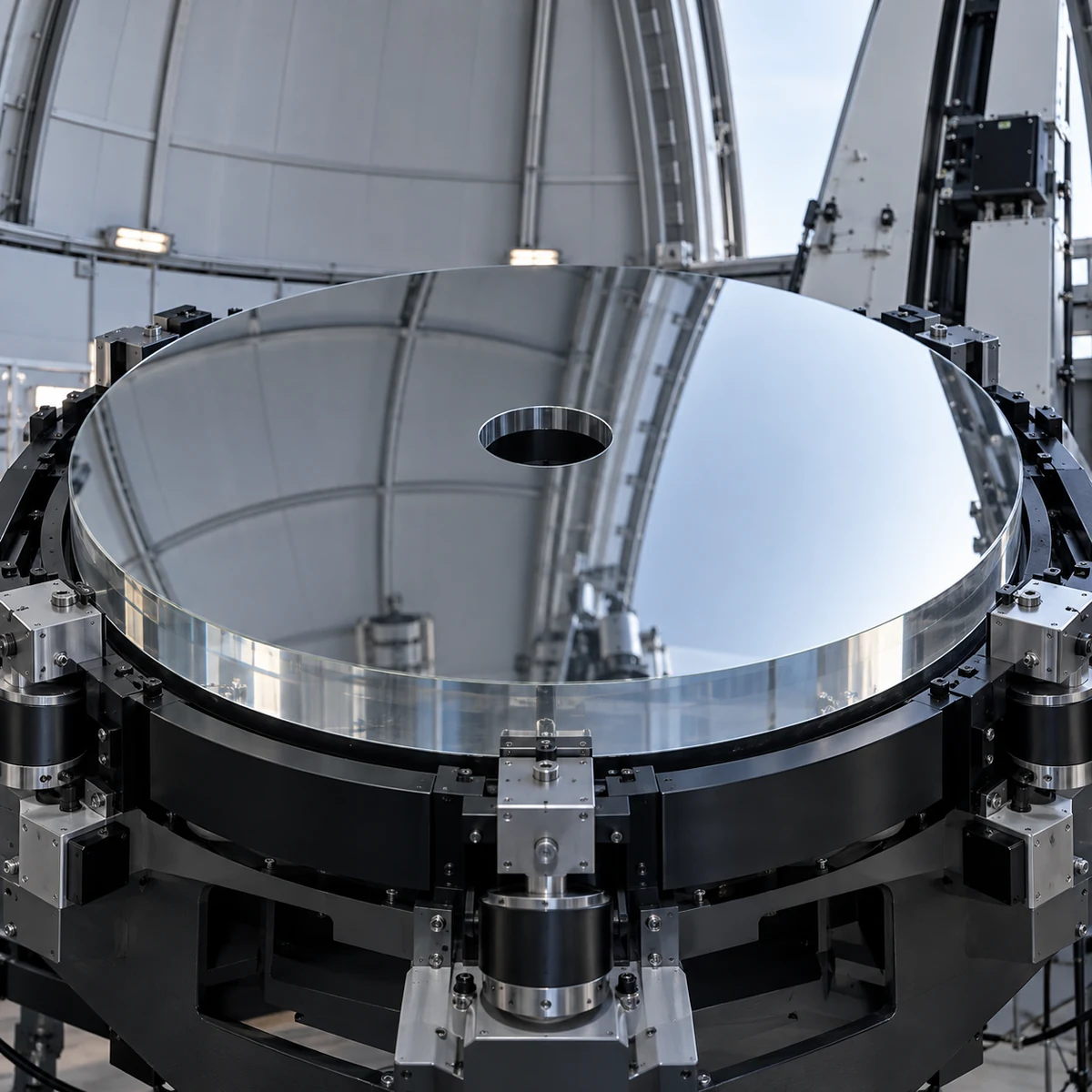 Telescope Mirror
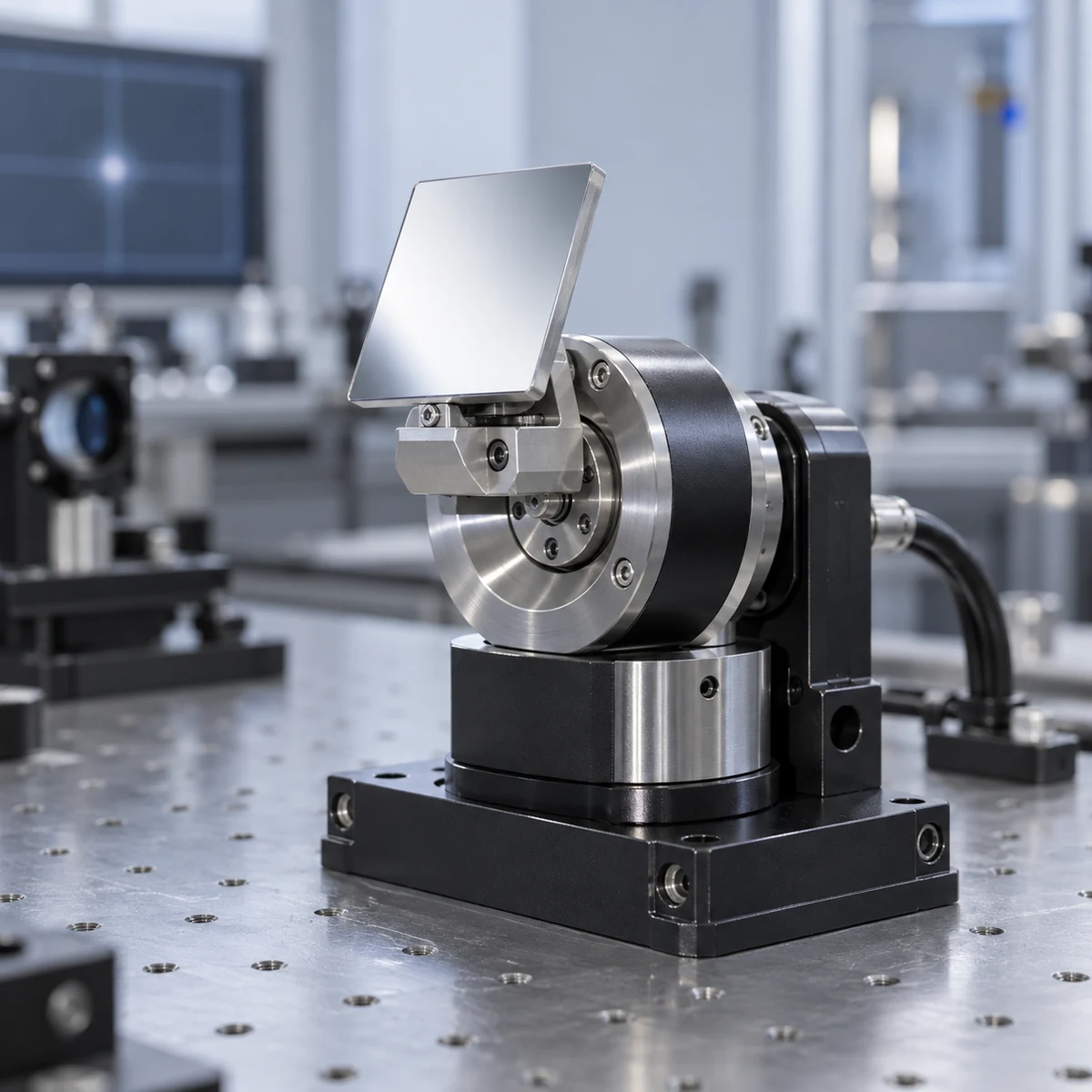 Optical Scanner Mirror
Applications of Metal & Mirror Coatings
Reflective optical coatings are used where an optical system requires controlled reflection, broadband mirror performance or wavelength-specific reflective behavior.
Typical Applications
- Telescope Mirrors & Astronomy — high-performance reflective optics for observation and imaging systems
- Laboratory Mirrors — beam-directing and reflective components for experimental optical systems
- Barcode Scanners — compact reflective optics used for beam routing and scanning
- Flight Simulation — mirror components used in optical simulation and projection systems
- Neutral Density Filters — metal-coated components used for controlled optical attenuation
- Gobos & General Optics — reflective thin-film surfaces for specialty optical and illumination components
Frequently Asked Questions
Metal mirror coatings can be designed for applications across the UV, visible and infrared spectral regions.
Protected aluminum consists of an aluminum reflective layer with a protective silicon monoxide overcoat. The protective layer improves abrasion resistance while maintaining aluminum’s reflective performance.
Enhanced aluminum is used when higher reflectance is required within a selected visible or ultraviolet wavelength range.
Visible enhanced designs operate approximately from 400–650 nm, while UV and DUV versions can cover approximately 120–400 nm.
Protected aluminum primarily adds a protective overcoat to improve durability. Enhanced aluminum uses a multilayer dielectric system over aluminum to increase reflectance in a selected wavelength region.
Silver provides high reflectance across visible and infrared wavelengths, making it useful for broadband optical systems that span multiple spectral regions.
Yes. Silver has a tendency to tarnish. A protective coating reduces this effect, although protected silver performs best in relatively low-humidity environments.
One published coating design provides average reflectance greater than 95% from 450–650 nm.
Yes. Published performance includes average reflectance greater than 98% from 450–2000 nm for an applicable design.
Yes. Published performance includes average reflectance greater than 98% from 2000–10,000 nm for an applicable infrared design.
Available materials include gold, silver, aluminum, nickel, chromium, copper, Inconel, titanium, hafnium, tantalum, tungsten, silicon, germanium and molybdenum.
Metal & Mirror Coating Capabilities
- UV to IR Spectral Coverage — reflective coatings for ultraviolet, visible and infrared optical systems
- Protected Metal Mirrors — protective overcoats for aluminum and silver reflective surfaces
- Enhanced Aluminum — dielectric-enhanced designs for selected visible and ultraviolet wavelength ranges
- Broad Material Selection — gold, silver, aluminum and numerous specialty metals, semiconductors and alloys
- High-Reflectance Designs — published coating configurations exceeding 95–98% average reflectance in selected wavelength bands
- Broadband Mirror Options — reflective designs spanning visible through infrared wavelengths
Get in Touch with Our Engineers
Whether you need a protected aluminum telescope mirror, an enhanced aluminum UV reflector, a broadband protected silver optic or another metal-coated optical component, the coating can be selected around the required wavelength region and reflectance performance.