
2.5D Cover Glass
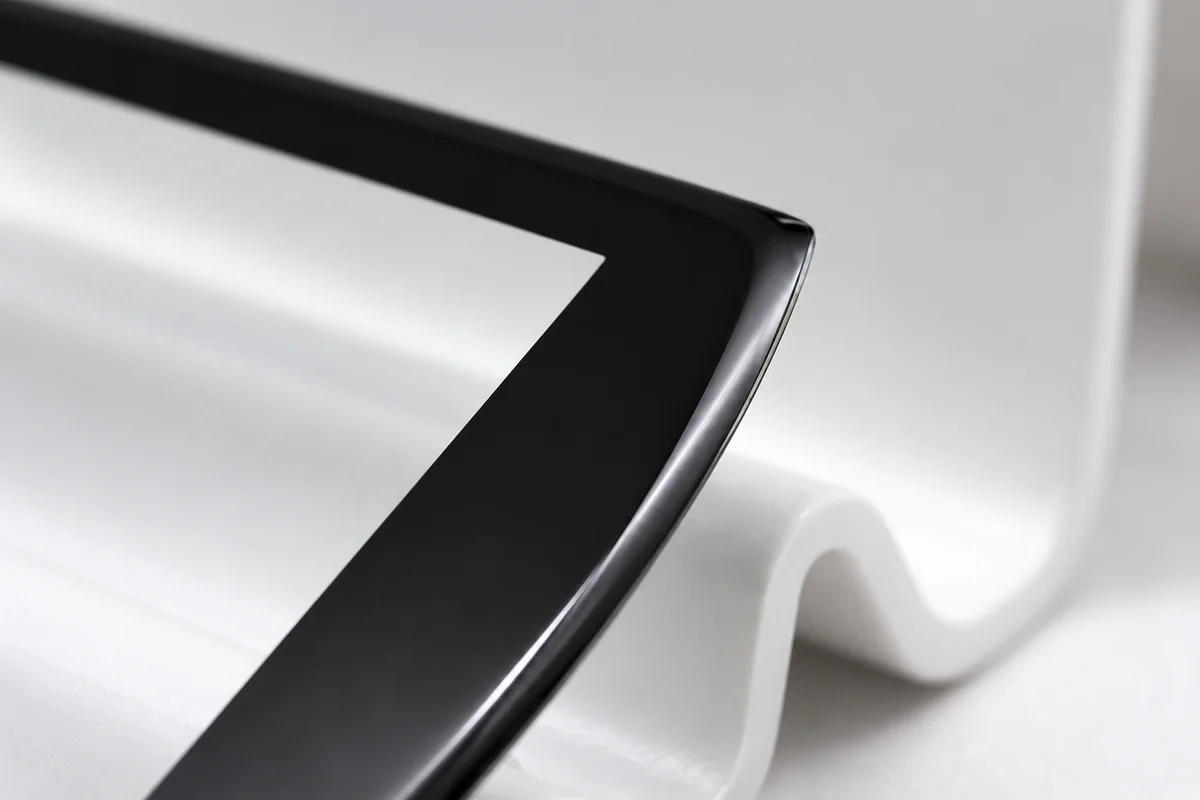
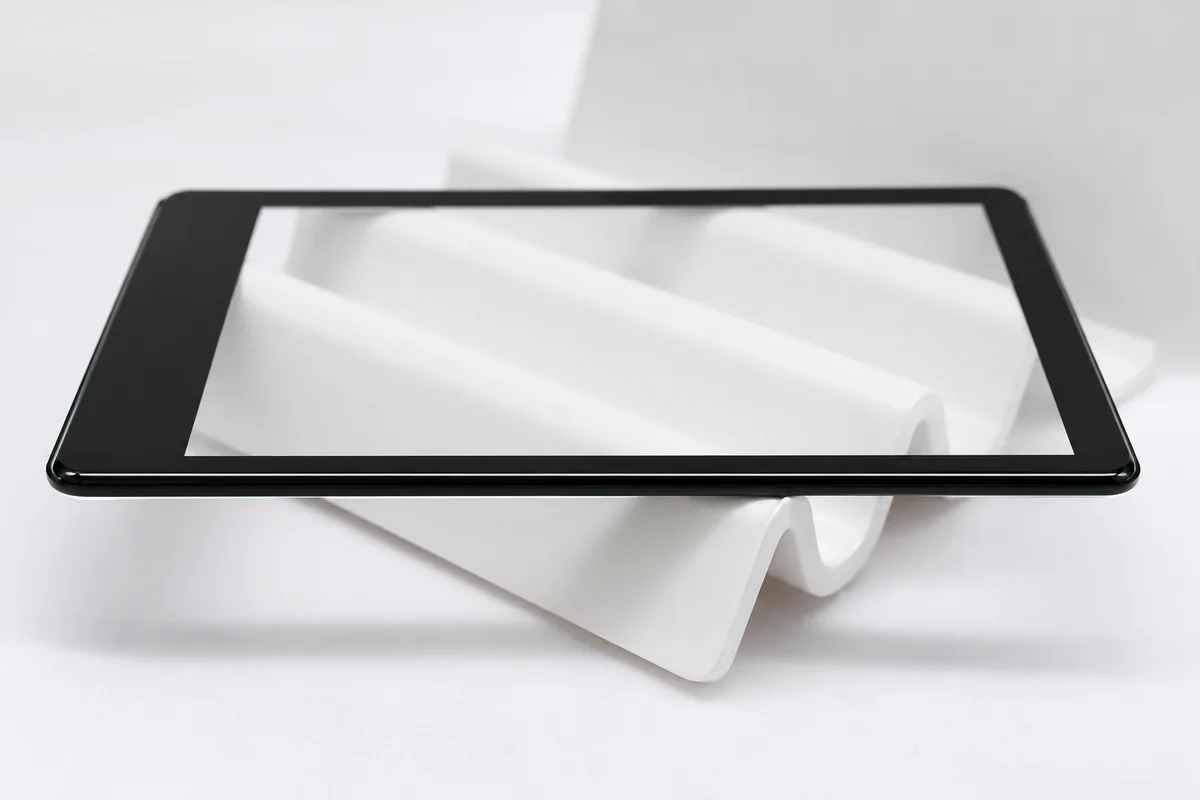
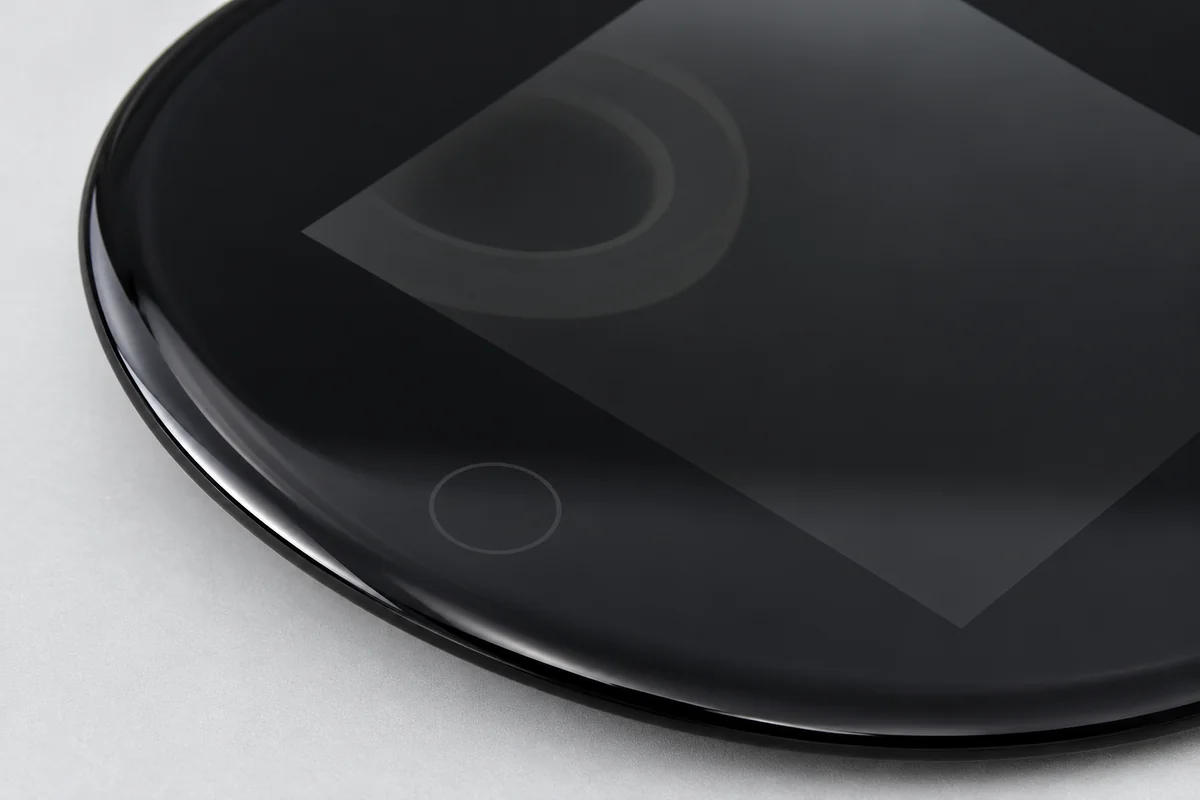
2.5D cover glass has a flat face with its edges ground and polished into a smooth arc, so the glass flows into the device frame without a sharp edge. We make it from 0.5 to 6 mm thick and from 20 × 20 mm up to 1200 × 2400 mm in Gorilla®, Dragontrail™, Panda, aluminosilicate and soda lime glass, strengthened, printed and AG, AR or AF coated.
Capabilities

Thickness
0.5–6 mm · Custom thickness

Size
From 20 × 20 mm · Up to 1200 × 2400 mm

Arc edge
Ground and polished · R1.0 mm on 2.0 mm glass

Glass
Gorilla®, Dragontrail™, Panda · Aluminosilicate, soda lime, ultra clear

Printing
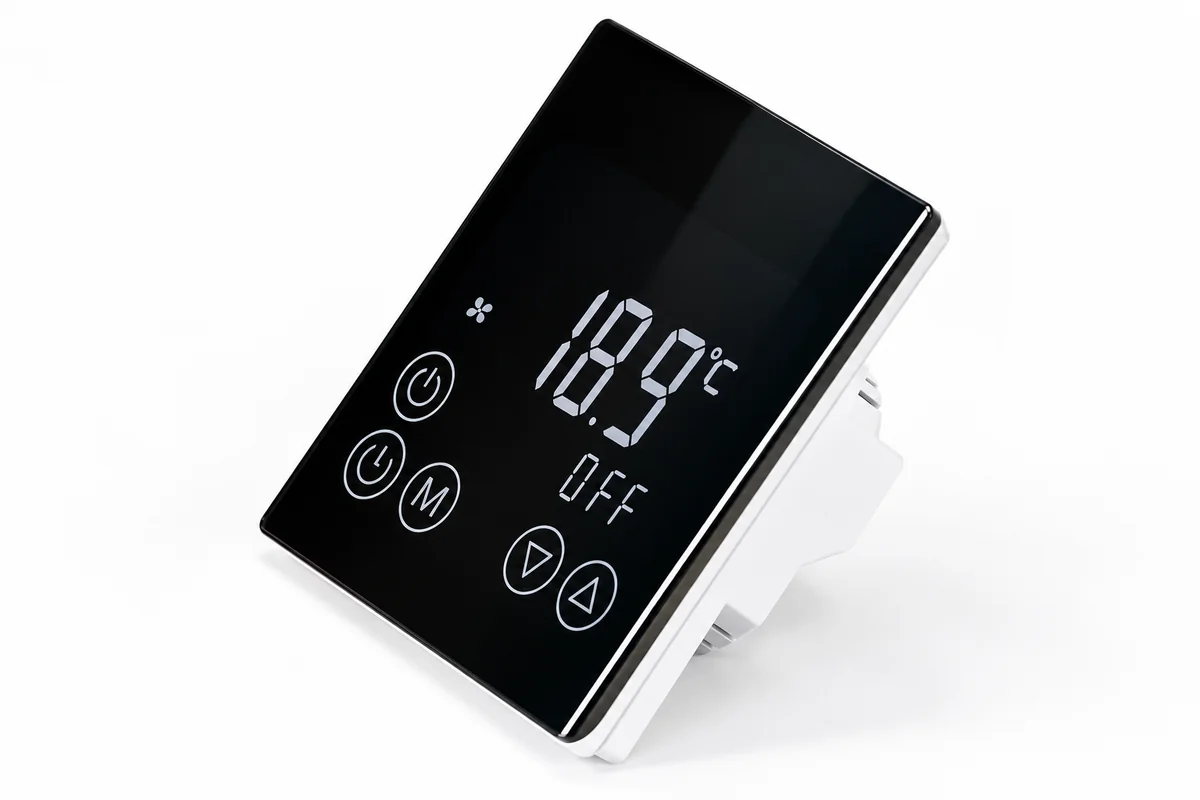
Dead front, IR ink · Anti-UV ink, 1300 h aging test

Coatings
AG, AR, AF · Applied after strengthening
Gallery
Get a 2.5D cover glass quote
Send the outline, thickness, arc radius, display active area, printing and coatings, and we will confirm the edge profile and quote the panels.
What 2.5D Means and How to Size the Arc
A 2.5D cover glass keeps a flat front and a flat back, but the front edges are ground and polished into a rounded arc that runs down to the side. A 2D cover has the same flat panel with a straight or chamfered edge; a 3D cover is bent across its whole face. 2.5D sits between them in cost and yield.
The arc only reads as 2.5D when it is large enough for the thickness. On 2.0 mm glass we recommend an R1.0 mm arc, about half the thickness; a much smaller radius looks like an ordinary chamfer. Put the arc radius or arc width on your drawing, with the edge height left at the side.
The arc bends light near the edge, so the display’s active area and the touch area should sit inside the flat zone, where the image is not distorted.
From Blank to Finished 2.5D Cover
The arc is shaped before strengthening, because a strengthened panel cannot be reground.
- 01
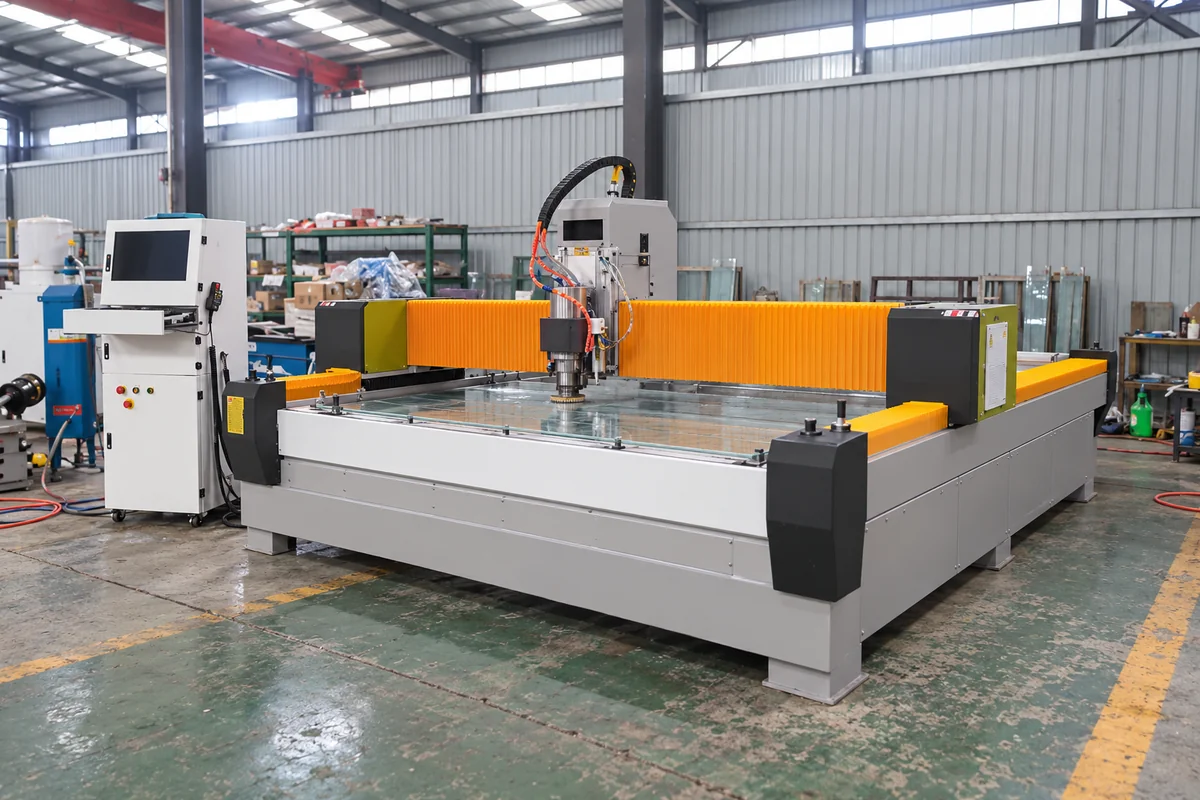
CNC cut
The outline, holes and corner radii are cut from the sheet.
- 02
Grind the arc
The front edges are ground into the 2.5D arc on CNC.
- 03
Polish
The arc is polished until it is as clear as the flat face, with no grinding marks.
- 04
Clean and inspect
Edges are checked for chips and the arc profile against the drawing.
- 05
Strengthen
Thin aluminosilicate covers are chemically strengthened; thicker soda lime panels are thermally tempered.
- 06
Print
Borders, dead-front windows, IR-transparent zones and icons are screen printed on the flat back face.
- 07
Coat
AG, AR or AF is applied to the front, over the arc as well as the flat zone.
- 08
Inspect and pack
Each panel is inspected for scratches, print alignment and coating before packing.
2.5D Cover Glass Specifications
| Parameter | Options |
|---|---|
| Thickness | 0.5, 0.7, 1.0, 1.8, 2.0, 3.0, 4.0, 5.0, 6.0 mm, or custom |
| Size | 20 × 20 mm to 1200 × 2400 mm |
| Glass | Corning® Gorilla® Glass, AGC Dragontrail™, Panda, aluminosilicate, soda lime clear and ultra clear |
| Arc edge | Radius to drawing; R1.0 mm recommended on 2.0 mm |
| Strengthening | Chemical or thermal, by glass and thickness |
| Printing | Silkscreen borders, dead front, IR ink, anti-UV ink |
| Coatings | AG, AR, AF |
| Bonding | Optional adhesive tape |
2.5D Cover Glass Questions
Is 2.5D the same as curved glass?
No. A 2.5D cover stays flat and only its edges are rounded by grinding. Curved or 3D glass is bent across the whole panel in a mold, which costs more and yields less.
Is 2.5D worth the extra cost over 2D?
Choose 2.5D when the glass is a visible front surface that people touch or swipe, such as a smart watch, a smart lock or a control panel, where a rounded edge feels and looks finished. For a cover hidden behind a bezel, a 2D panel with a chamfered edge costs less.
Does 2.5D work on thick glass?
Yes. The same arc process runs from 0.5 mm wearable covers up to 6 mm panels for smart locks and appliances; the arc radius scales with thickness.
Will printing hold up outdoors?
For outdoor and sunlit panels we use anti-UV inks; a dead-front temperature controller cover we produced passed a 1300-hour anti-aging test with a 2.5D edge.