
Glass CNC Machining
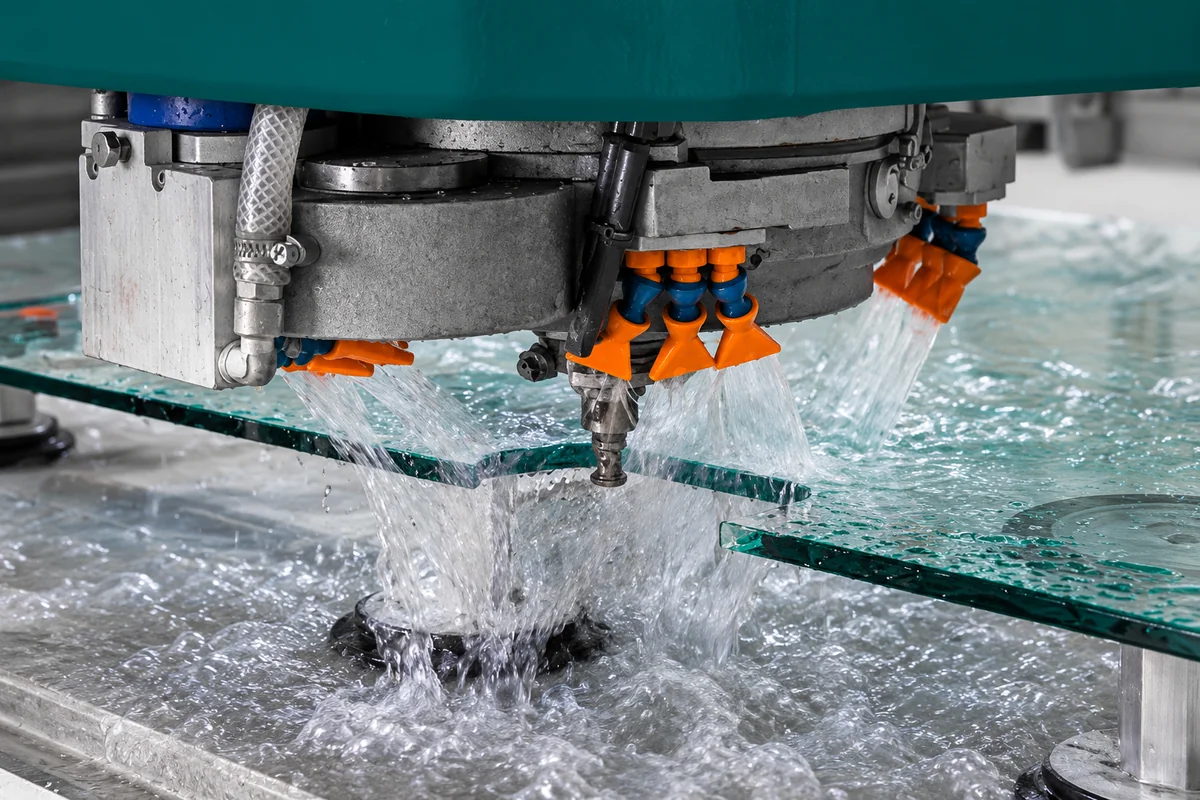
Glass CNC machining shapes glass with diamond tools on computer-controlled machines, producing profiles, notches, slots, steps and holes with finished edges that straight-line cutting cannot make. We machine glass from 0.76 mm to over 25 mm thick and up to 2286 × 1524 mm, to tolerances as tight as ±0.127 mm, from prototype runs to robot-loaded production.
Capabilities

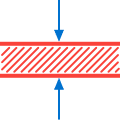
Thickness
From 0.76 mm · To over 25.4 mm
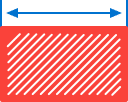
Part size
From 50.8 × 50.8 mm · Up to 2286 × 1524 mm
Tolerance
±0.127 mm on small parts · ±0.508 mm on large parts

Holes
From 0.76 mm diameter · Through, blind, stepped, countersunk

Features
Notches, slots, grooves · Steps and 2.5D arcs

Volume
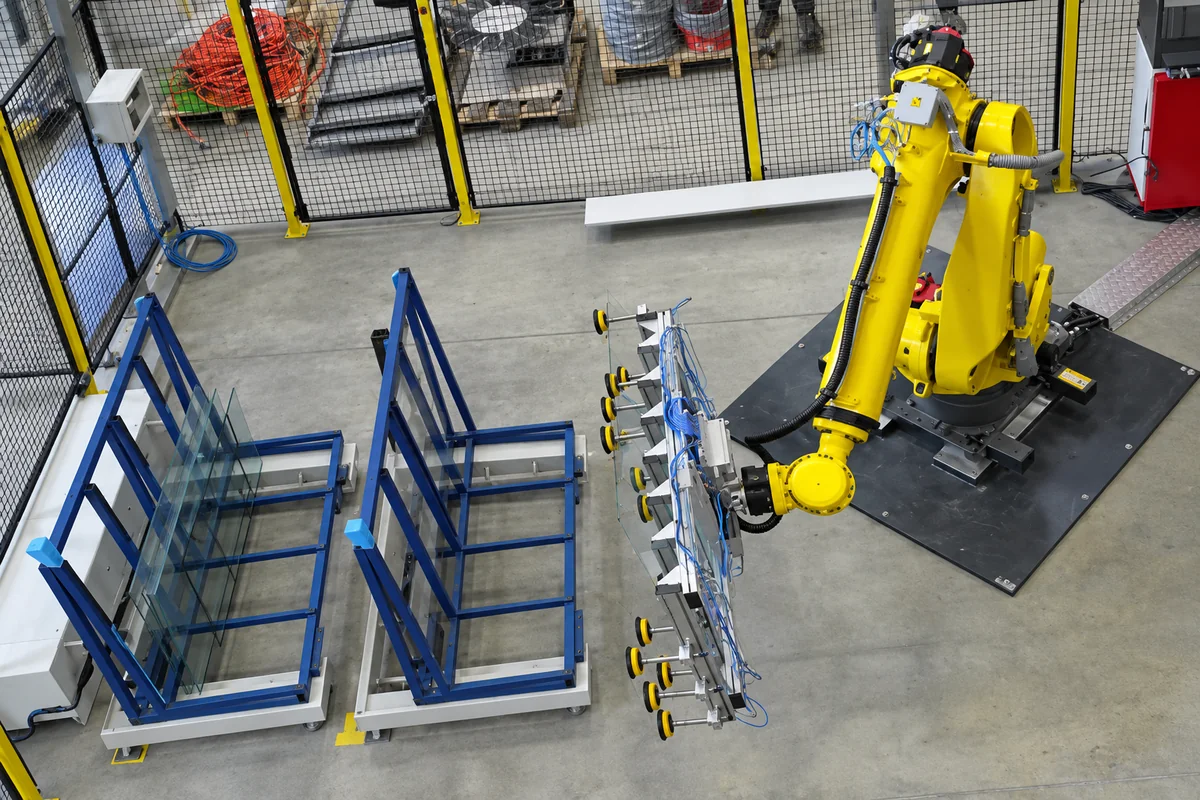
Prototype runs · Robot-loaded production
Gallery

Get a CNC machining quote
Send a DXF or STEP file with the critical tolerances marked, the glass and thickness, quantity and any strengthening, printing or coating, and we will confirm the machining route.
CNC Machining Capacity
| Parameter | Range |
|---|---|
| Glass thickness | 0.76 mm to over 25.4 mm |
| Part size | 50.8 × 50.8 mm to 2286 × 1524 mm |
| Tolerance | ±0.127 mm on small, thin parts; up to ±0.508 mm on large, thick parts |
| Minimum hole diameter | 0.76 mm |
| Hole types | Through, blind, stepped, tapered and countersunk |
| Materials | Float and low iron glass, Borofloat®, D263, B270, Gorilla® Glass, filter glass, mirror, AR and anti-glare glass, patterned glass |
What CNC Machining Adds
Profiles and notches
Any two-dimensional outline, with radiused corners and notches for cables, buttons and fixings.
Slots and grooves
Through slots and part-depth grooves for gaskets, clips and light guides.
Steps and pockets
A thinner border lets a thick panel sit flush in a slim bezel, as on stepped outdoor cover glass.
Holes
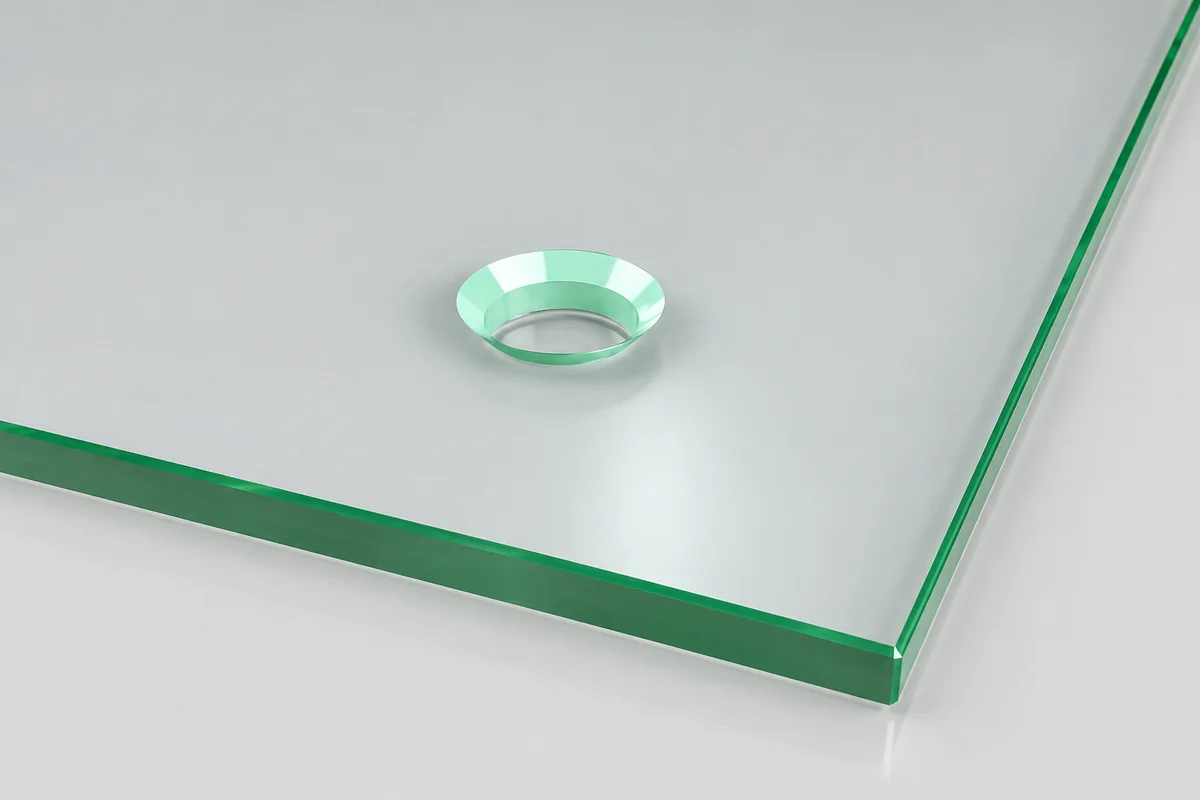
Through, blind, stepped, tapered and countersunk holes from 0.76 mm, drilled in the same setup as the outline.
Tapered feature edges
Holes, slots and grooves can be tapered on both faces for a stronger, cleaner edge.
2.5D arcs and edge profiles
Arc edges for cover glass, and pencil, beveled or flat polished edges.
CNC Machining Questions
CNC machining or waterjet?
Waterjet cuts through-outlines quickly to about 0.50 mm. CNC machining holds ±0.127 mm, finishes the edge in the same setup, and makes steps, blind holes, grooves and countersinks, which a waterjet cannot. Large or thick parts are often waterjet cut close to size and then CNC finished.
Can strengthened glass be machined?
No. All CNC work is done before thermal tempering or chemical strengthening; a tempered panel shatters when cut, and a strengthened surface loses its benefit wherever it is ground away.
What tolerance should I specify?
±0.127 mm is achievable on small and thin parts and opens toward ±0.508 mm on large or thick panels. Apply the tight figure to the features that locate the part, and a general tolerance everywhere else.
Design Rules That Cut Cost and Breakage
Every inside corner needs a radius. The tool that cuts glass is round, so an inside corner can be no sharper than the tool radius; a sharp inside corner also concentrates stress and is where a panel most often cracks during tempering. Give each inside corner the largest radius the design allows.
Taper both faces of holes, slots and notches. A small chamfer at each opening removes the chips left where the tool enters and leaves, which makes the edge stronger and cleaner.
Mark which tolerances are critical. Holding ±0.127 mm across an entire large panel slows machining and raises rejects; holding it only where the part locates keeps the price down. Hole size, spacing and distance from the edge follow their own rules, set out on our glass drilling page.
