
Heat Tempered Glass
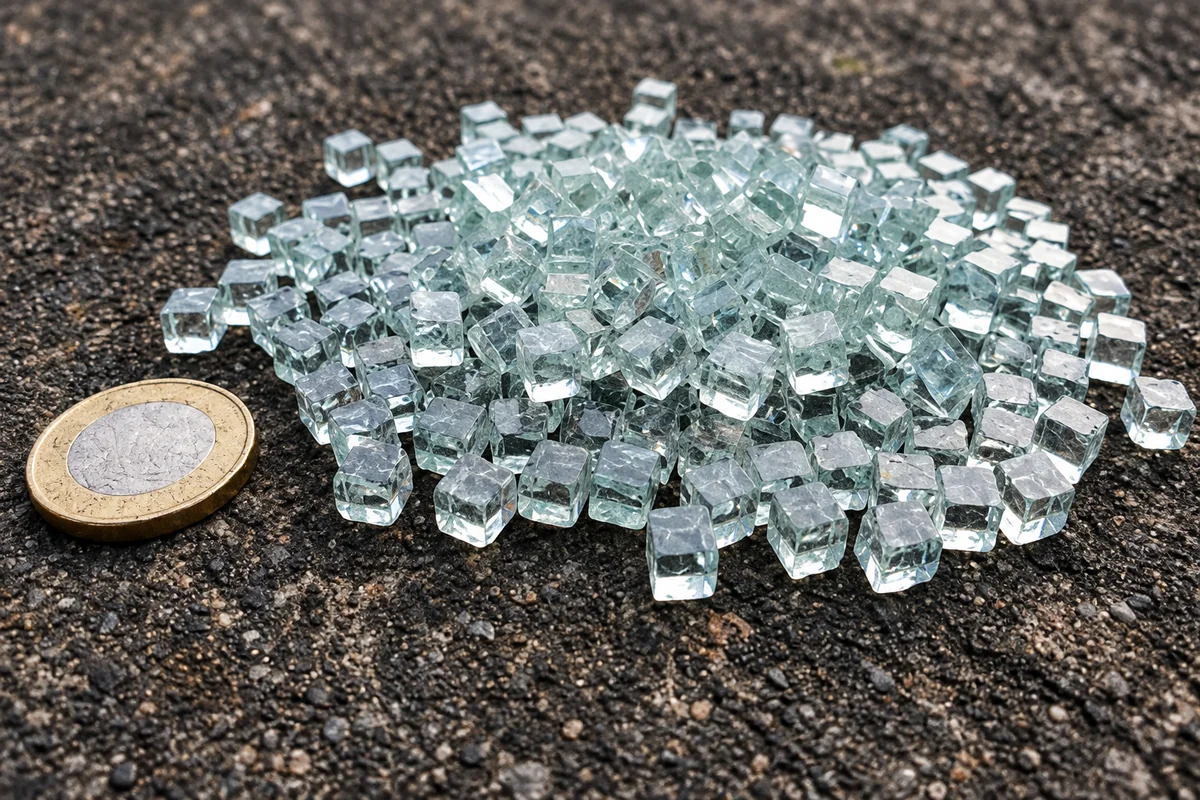
Heat tempered glass is float glass heated and quenched so its surfaces carry more than 10,000 psi (69 MPa) of compression, making it four to five times more impact-resistant than annealed glass and causing it to break into small, blunt pieces. We temper soda lime, low iron and patterned glass from 3 to 19 mm (1/8–3/4 in) thick and from 2 × 2 in to 60 × 120 in, and heat strengthen Borofloat® and colored glass.
Capabilities

Thickness
3–19 mm · 1/8–3/4 in

Size
2 × 2 in to 60 × 120 in · 51 × 51 mm to 1524 × 3048 mm

Surface compression
Over 10,000 psi (69 MPa) · Measured non-destructively

Glass types
Soda lime, low iron, patterned · Borofloat® and colored heat strengthened

Standards
ANSI Z97.1, ANSI Z26.1 · ASTM C1048

Before tempering
Cutting, drilling, CNC · Edge work, ceramic printing
Gallery
Get a tempered glass quote
Send your drawing with thickness, glass type, holes and edge finish, and the standard the part must meet, and we will confirm the route and quote the panels.
Tempered, Heat Strengthened and Annealed Compared
These are the numbers to design with. Values are for soda lime glass.
| Property | Fully tempered | Heat strengthened | Annealed |
|---|---|---|---|
| Surface compression (ASTM C1048) | Over 10,000 psi (69 MPa) | 3,500–7,000 psi (24–48 MPa) | — |
| Impact resistance | 4–5 × annealed | 2–3 × annealed | 1 × |
| Design tensile strength | 4,000 psi (27.6 MPa) | — | 1,000 psi (6.9 MPa) |
| Normal service temperature, 6 mm | 220 °C | — | 110 °C |
| Sudden temperature change, 6 mm | About 220 °C | — | About 50 °C |
| Break pattern | Small, blunt pieces; safety glazing | Large pieces | Large, sharp shards |
For load calculations, tempered soda lime allows four times the design stress of annealed glass. Heat-strengthened Borofloat® doubles its design strength from 1,000 to 2,000 psi and raises its service temperature from 230 °C to 260 °C.
Which Glass Can Be Tempered?
Soda lime and low iron
Fully tempered from 3 to 19 mm. Low iron tempers the same way and keeps its clarity, for displays, solar and showcase glass.
Patterned glass
Solite™, linear, ribbed and prismatic patterns can be fully tempered for lighting and appliance panels.
AR-coated glass
Can be tempered, but heat can craze the coating. For a clean result, we temper first and apply the AR coating afterward.
Borofloat® borosilicate
Heat strengthened only, not fully tempered. Choose it when the part runs hot; choose tempered soda lime when impact strength matters more.
Colored glass
Heat strengthened only. Tinted grey, bronze and green glass can be fully tempered.
Thinner than 3 mm
Too thin for thermal tempering; chemical strengthening gives these parts their strength.
Finish Every Feature Before Tempering
Tempered glass cannot be cut, drilled or ground afterward; any cut through the compressed surface shatters the panel. Every feature on your drawing is made first.
- 01
Cut to size
Sheets are cut to outline, from 2 × 2 in up to 60 × 120 in.
- 02
Drill, notch and machine
Holes, notches, cutouts and CNC profiles are finished while the glass is still annealed.
- 03
Grind the edges
Edges are seamed, ground or polished, so no chip remains to start a crack in the furnace.
- 04
Print, if specified
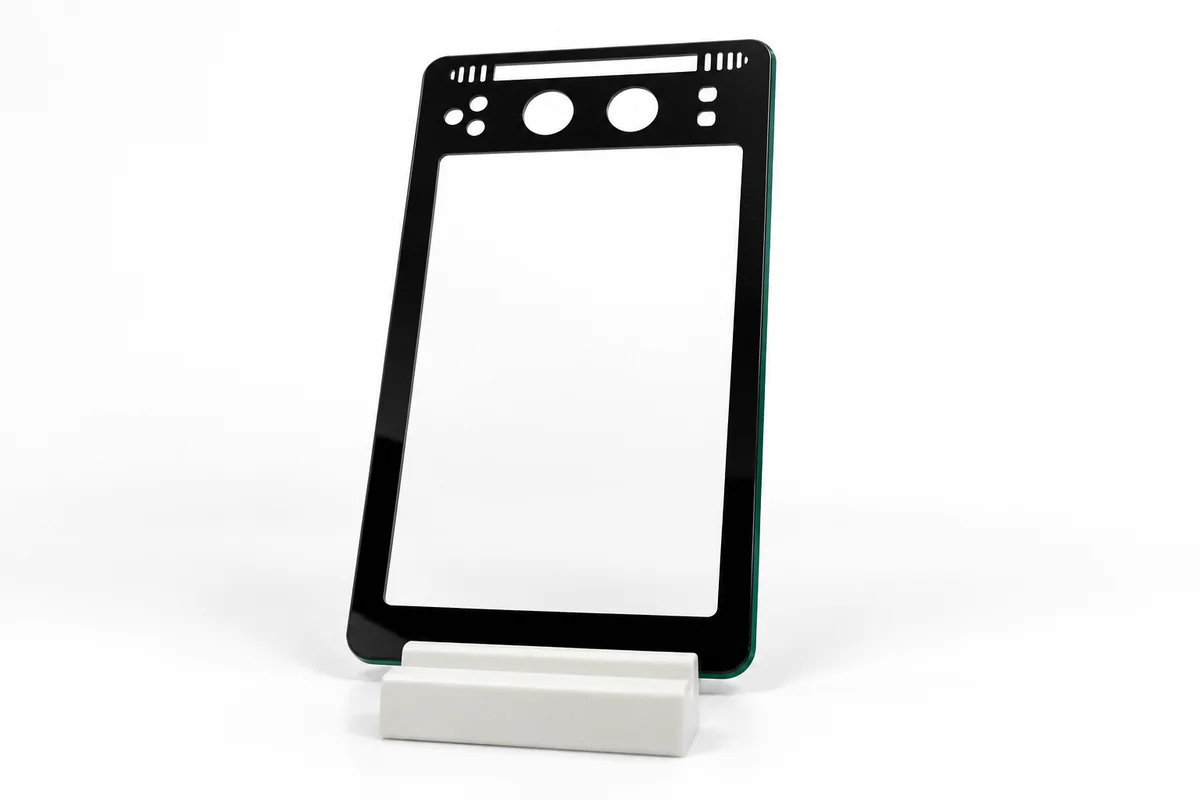
Ceramic inks are screen printed before tempering and fuse into the surface in the furnace.
- 05
Temper
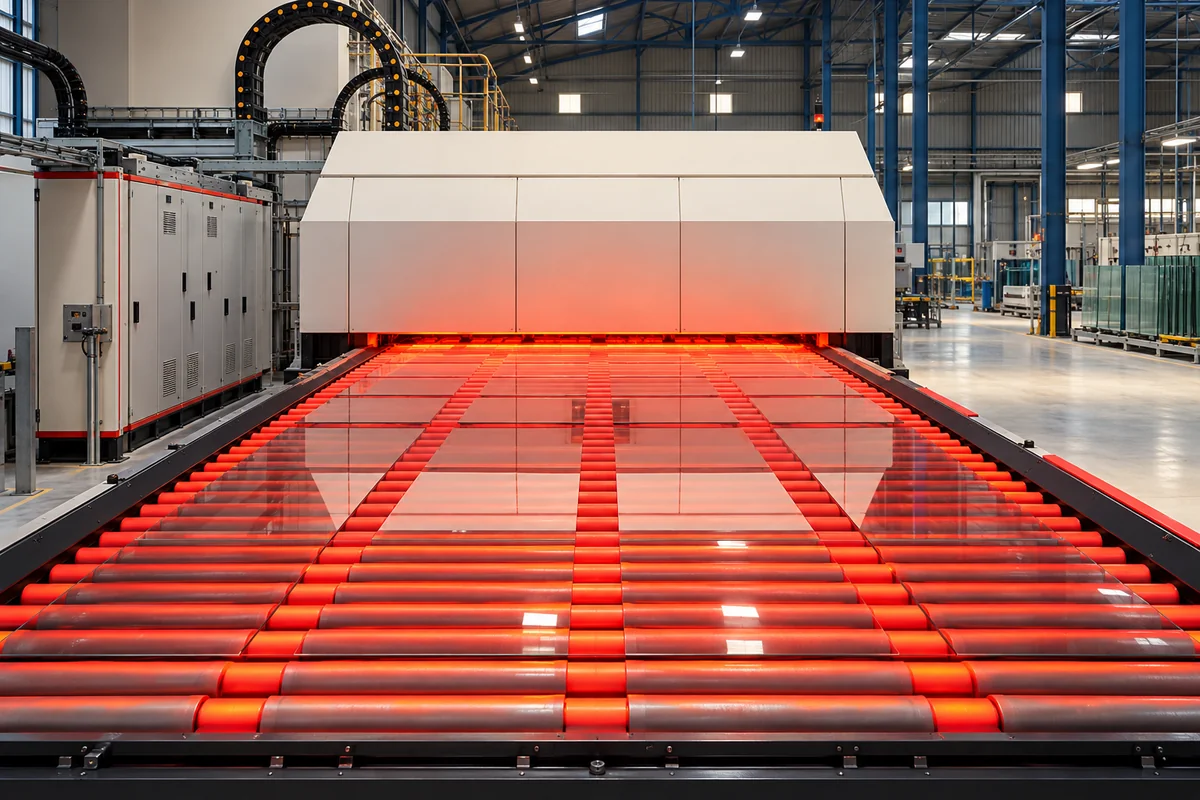
The glass is heated to its softening range and quenched with air to lock the surface into compression.
- 06
Measure and inspect
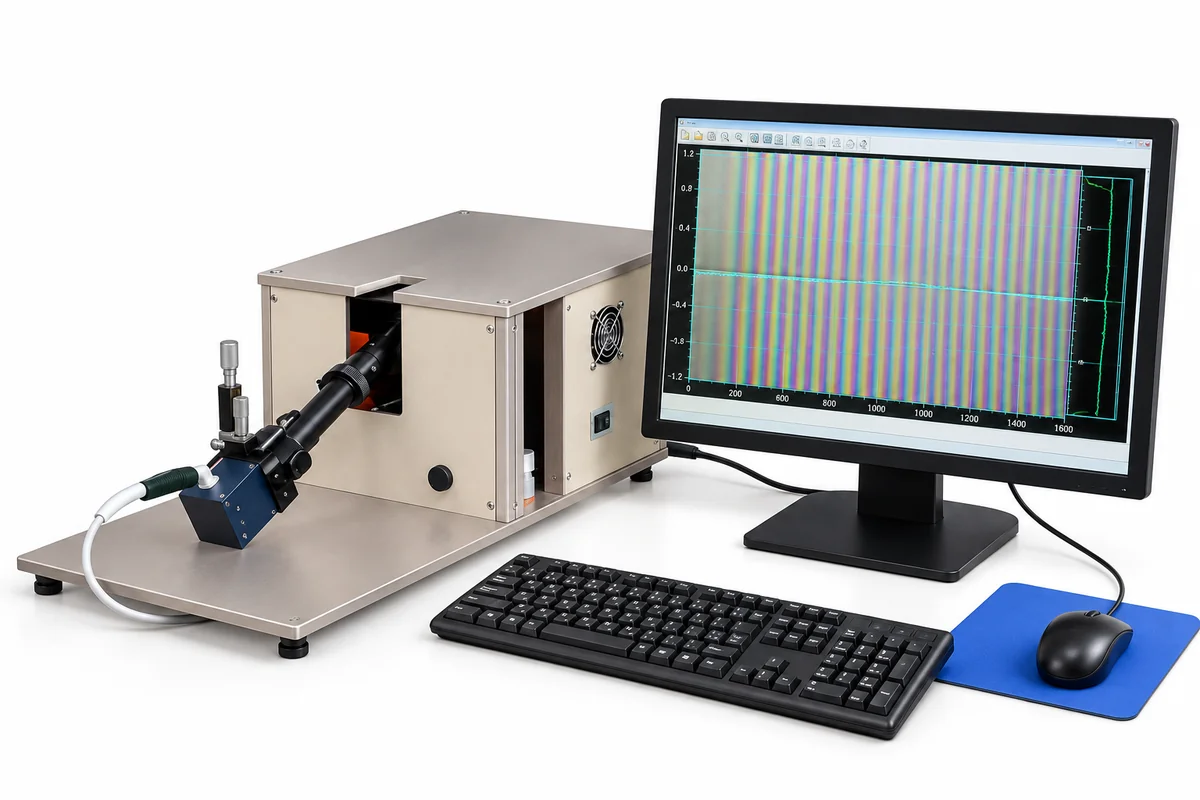
Surface compression is measured without breaking the part, and each batch is checked against the drawing.
Tempered Glass Questions
Fully tempered or heat strengthened?
Fully tempered glass is the safety glazing choice: it is strongest and breaks into small pieces. Heat strengthened glass is half as strong but breaks into large pieces that tend to stay in the frame, which is why it is used in laminated units and where a broken panel must stay in place.
Which standards can the glass be made to?
Fully tempered glass is made to ASTM C1048 for heat-treated flat glass, and to ANSI Z97.1 for building safety glazing or ANSI Z26.1 for vehicle glazing where the application requires it. Name the standard on your drawing so the right tests and markings are applied.
How is the temper verified?
Surface compression is measured non-destructively with a stress meter, so delivered parts can be checked against the 10,000 psi requirement without breaking a sample.